

Meer over het boek
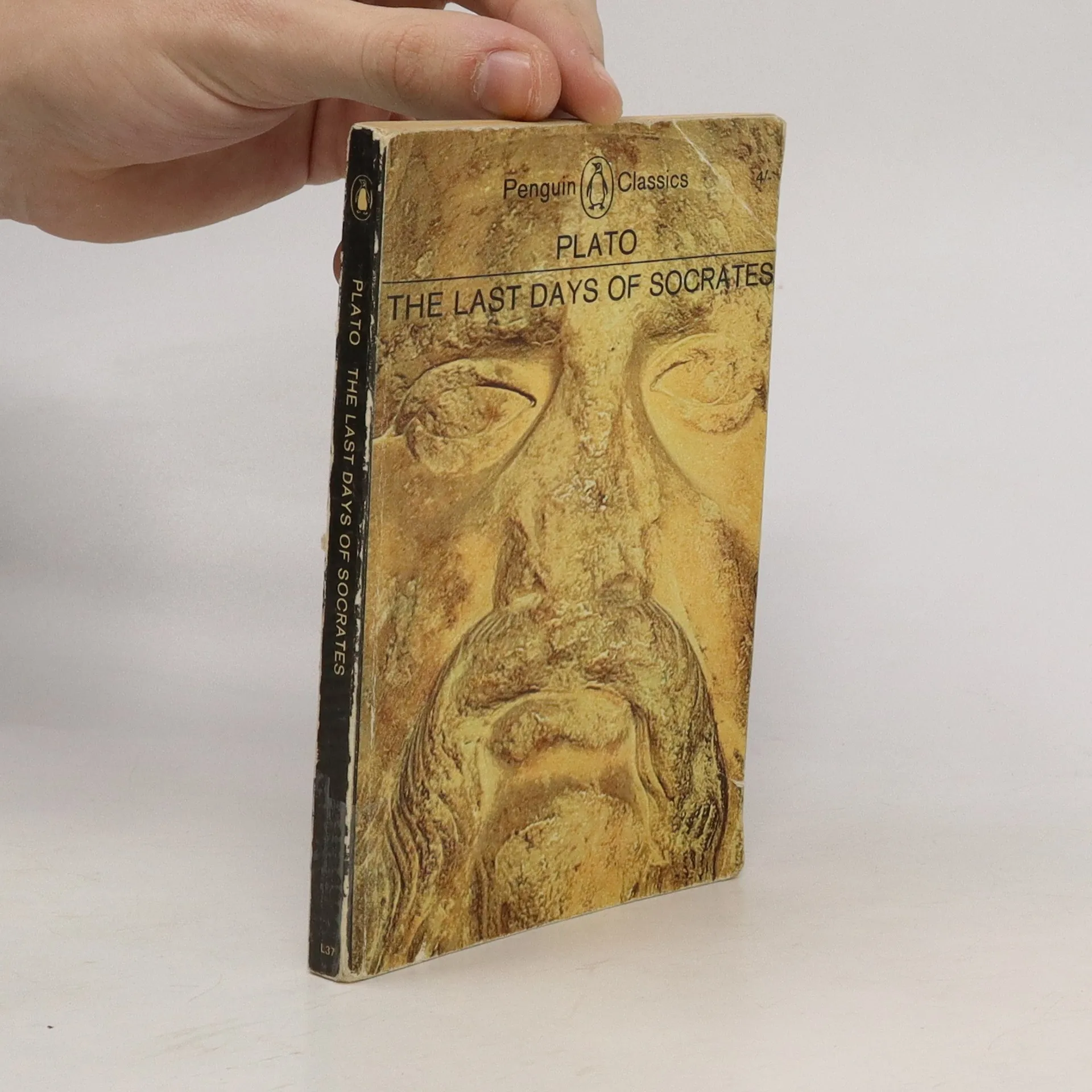
Euthyphro/Apology/Crito/Phaedo 'Nothing can harm a good man either in life or after death' The trial and condemnation of Socrates on charges of heresy and corrupting young minds is a defining moment in the history of classical Athens. In tracing these events through four dialogues, Plato also developed his own philosophy of a life guided by self-responsibility. Euthyphro finds Socrates outside the court-house, debating the nature of piety, while the Apology is his robust rebuttal of the charges against him. In the Crito, awaiting execution in prison, Socrates counters the arguments of friends urging him to escape. Finally, in the Phaedo, he is shown calmly confident in the face of death. Translated by HUGH TREDENNICK and HAROLD TARRANT with an Introduction and notes by HAROLD TARRANT




Een boek kopen
The Last Days of Socrates, Platón
- Taal

- Jaar van publicatie
- 2010
- Bindwijze
- (Paperback)
Betaalmethoden
We missen je recensie hier.
- Taal
- Engels
- Auteurs
- Platón
- Uitgever
- Penguin UK
- Jaar van publicatie
- 2010
- Formaat
- Paperback
- Aantal pagina's
- 151
- ISBN10
- 0141965886
- ISBN13
- 9780141965888
- Reeks
- Tags
- Non-fictie, Sociale Wetenschappen, Waargebeurde verhalen, Biographies, Politicologie & Politiek, Filosofisch thema, Politiek, Autobiografie en memoires, Frankrijk, School, Cadeaus voor Opa, Biografieën van politici, Studie, Griekenland, Ethiek, Verplichte Lectuur, Rechters, Rechtprocessen, Doodstraf, Socrates, Verdediging
- Oorspronkelijke titel
- Apologia
- Beoordeling
- 4,15 van 5
- Aantekening
- Euthyphro/Apology/Crito/Phaedo 'Nothing can harm a good man either in life or after death' The trial and condemnation of Socrates on charges of heresy and corrupting young minds is a defining moment in the history of classical Athens. In tracing these events through four dialogues, Plato also developed his own philosophy of a life guided by self-responsibility. Euthyphro finds Socrates outside the court-house, debating the nature of piety, while the Apology is his robust rebuttal of the charges against him. In the Crito, awaiting execution in prison, Socrates counters the arguments of friends urging him to escape. Finally, in the Phaedo, he is shown calmly confident in the face of death. Translated by HUGH TREDENNICK and HAROLD TARRANT with an Introduction and notes by HAROLD TARRANT