

De favoriet van de lezers is momenteel uitverkocht.
Parameters
- 336bladzijden
- 12 uur lezen
Meer over het boek
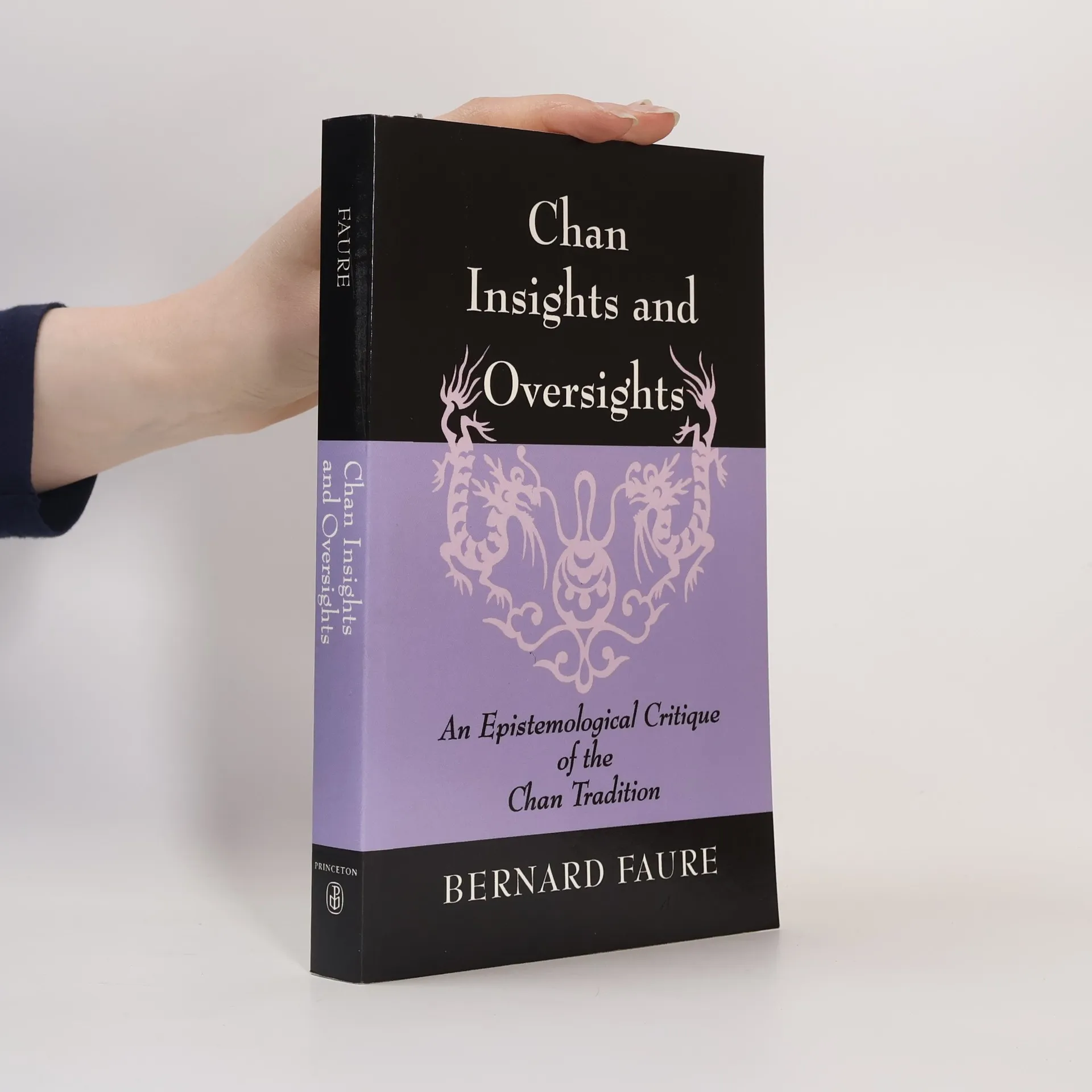
Examining Chan/Zen from a postmodern perspective, Bernard Faure critiques traditional Orientalist views that either caricature or idealize Eastern thought, revealing overlooked complexities in Chan traditions. He explores how both Western and Eastern assumptions, including those of D. T. Suzuki, have distorted the understanding of Chan. The book discusses the historical influence of Jesuit missionaries, the interplay between Chan and local religions, and key concepts like temporality and self. It serves as a critical introduction to both Buddhist traditions and contemporary human sciences.
Een boek kopen
Chan Insights and Oversights, Bernard Faure
- Taal

- Jaar van publicatie
- 1996
- Bindwijze
- (Paperback)
Zodra we het ontdekt hebben, sturen we een e-mail.
Betaalmethoden
We missen je recensie hier.
- Titel
- Chan Insights and Oversights
- Ondertitel
- An Epistemological Critique of the Chan Tradition
- Taal
- Engels
- Auteurs
- Bernard Faure
- Uitgever
- Princeton University Press
- Jaar van publicatie
- 1996
- Formaat
- Paperback
- Aantal pagina's
- 336
- ISBN10
- 0691029024
- ISBN13
- 9780691029023
- Reeks
- Tags
- Historisch thema, Religieuze onderwerpen, Filosofisch thema, Spiritualiteit en religie, Christelijke thema's, Theologie, Schrijven, Wetenschappelijke Theorien, Ethiek, Mystiek, Kritiek, Zen, Historiografie, Retoriek, Ideologie, Hermeneutiek, Confucianisme, Heresie, Hagiografie, Individualisme, Confucius, Subjectiviteit, Sanskriet, Orientalisme
- Beoordeling
- 4 van 5
- Aantekening
- Examining Chan/Zen from a postmodern perspective, Bernard Faure critiques traditional Orientalist views that either caricature or idealize Eastern thought, revealing overlooked complexities in Chan traditions. He explores how both Western and Eastern assumptions, including those of D. T. Suzuki, have distorted the understanding of Chan. The book discusses the historical influence of Jesuit missionaries, the interplay between Chan and local religions, and key concepts like temporality and self. It serves as a critical introduction to both Buddhist traditions and contemporary human sciences.