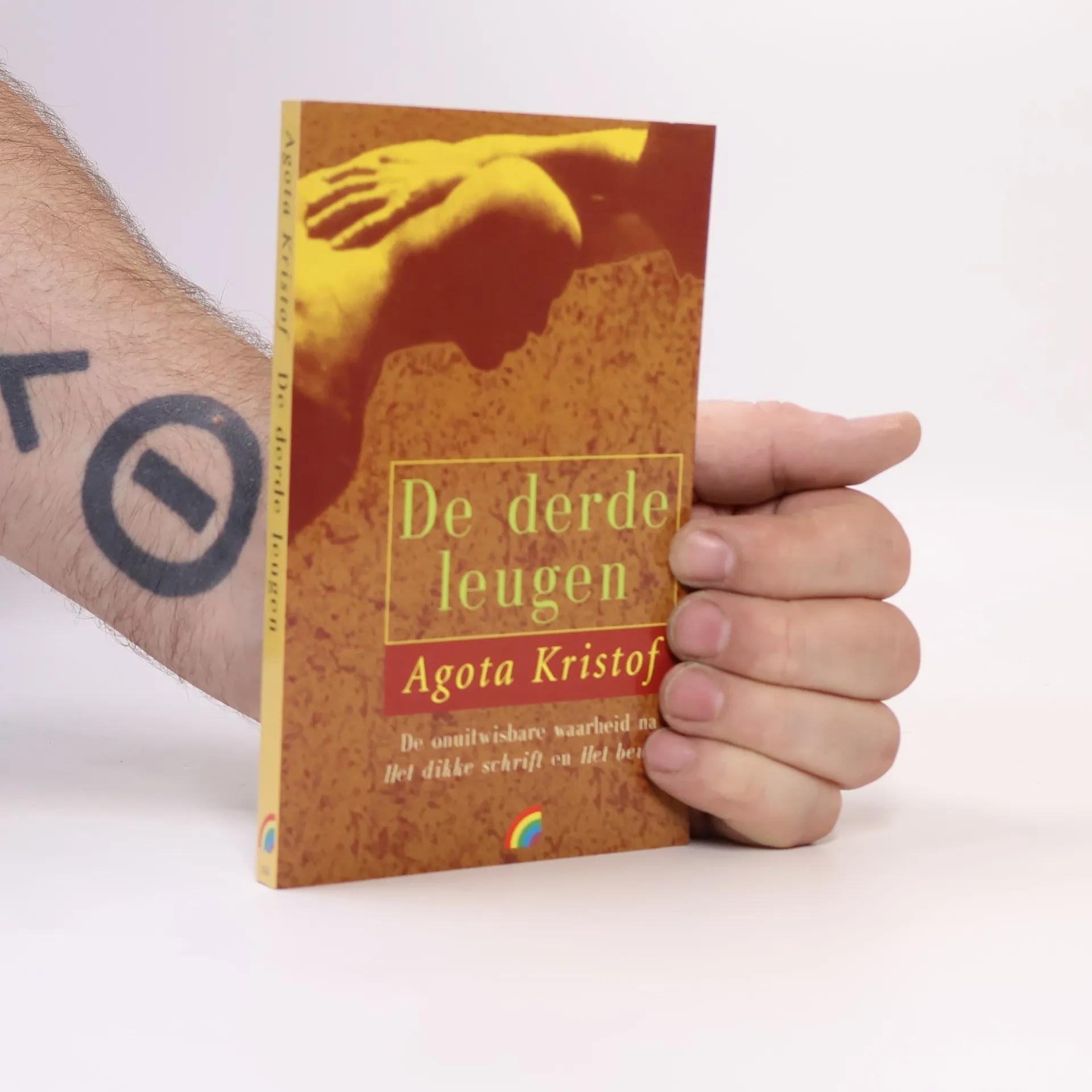
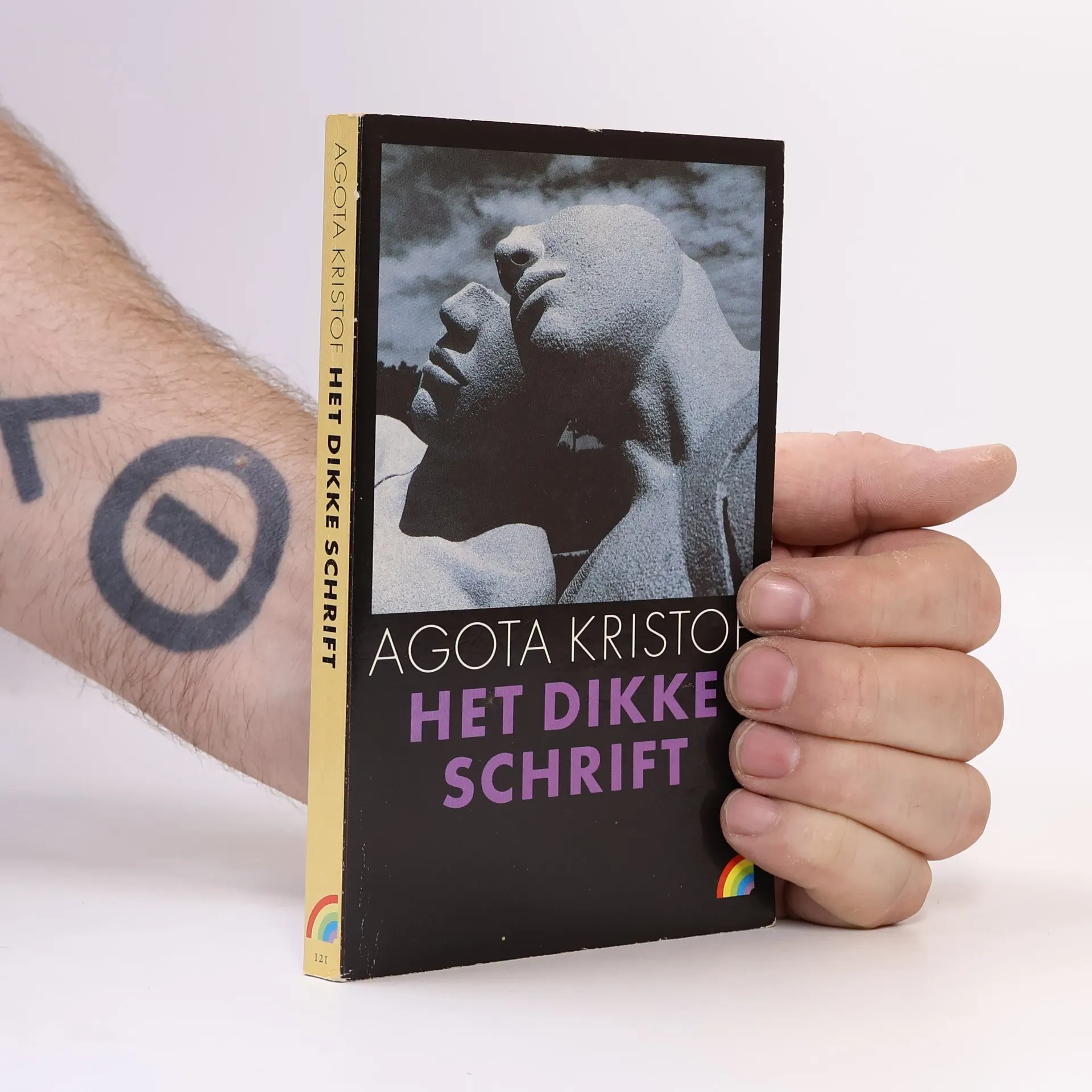
Deze serie volgt een tweelingbroers die in een door oorlog en wreedheid geteisterde wereld terechtkomen. Ver weg van huis gestuurd om bij hun verschrikkelijke grootmoeder op het platteland te wonen, worden ze geconfronteerd met onvoorstelbare ontberingen. Om de wreedheden om hen heen het hoofd te bieden, beginnen de jongens aan een eigenzinnige opleiding. Ze documenteren hun ervaringen in een speciaal notitieboek, wat resulteert in een meeslepend verhaal over overleven, veerkracht en zelfontdekking tegen de achtergrond van tegenspoed.
Dans un pays ravagé par la guerre, Claus Et Lucas font l'apprentissage de la vie, de l'écriture et de la cruauté. Premier roman d'une émigrée hongroise installée en Suisse, Le Grand Cahier est également le premier volet d'une trilogie qui comprend La Preuve et Le Troisième Mensonge. L'œuvre d'Agota Kristof est aujourd'hui réduite dans une quinzaine de pays.
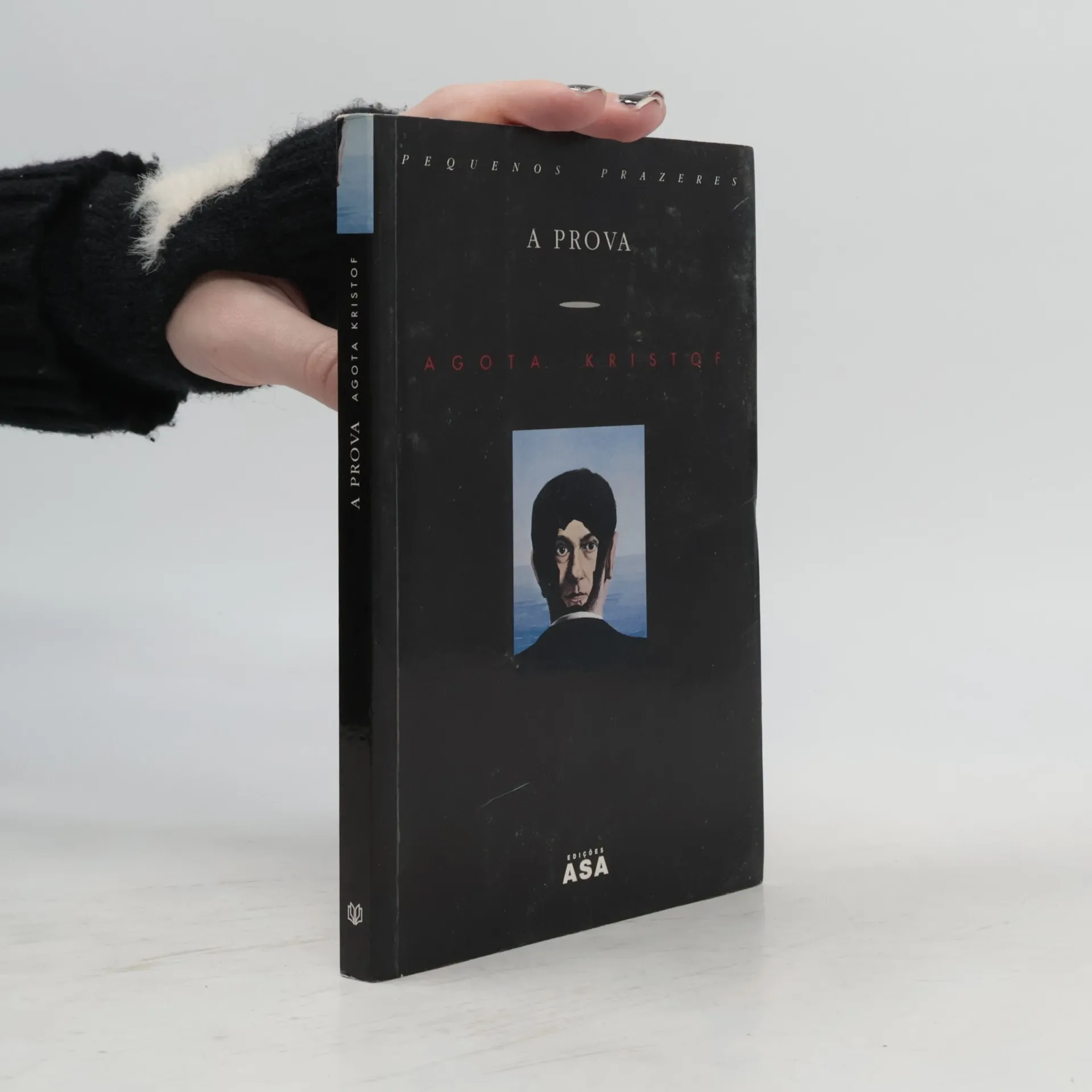
Em 1993, a ASA publicou na sua colecção "Letras do Mundo" o volume Trilogia da Cidade de K., que agrupava três romances de Agota Kristof — O Caderno Grande, A Prova e A Terceira Mentira. Tal volume encontra-se há muito tempo esgotado, pelo que se decidiu agora reeditar cada um dos romances, separadamente, na colecção "Pequenos Prazeres". Assim aconteceu já com O Caderno Grande, o mesmo acontece agora com A Prova. Apesar de autónomos, os três romances formam um conjunto dotado de uma extrema e paradoxal unidade. Em A Prova, através do destino separado de Lucas e Claus, os gémeos de O Caderno Grande, e mais concretamente através do percurso do primeiro, Agota Kristof vem dizer-nos mais uma vez que, num universo totalitário, a generosidade e a solidariedade são por vezes mais mortíferas do que o crime.
This bleak story, by a Hungarian-born writer living in Switzerland and writing in French, is both an allegory on the East-West divisions of Europe and a commentary on the damage parents can do to children. The narrator, Claus, revisits the places of his youth after the fall of Communism. He recounts a past that begins with his waking up during World War II with a serious spinal injury at the age of four and progresses through rehabilitation and foster homes. He has only a vague memory of a happier childhood before then. In the middle of the book a surprise twist casts a new light on Claus' past. Translated by Marc Romano.