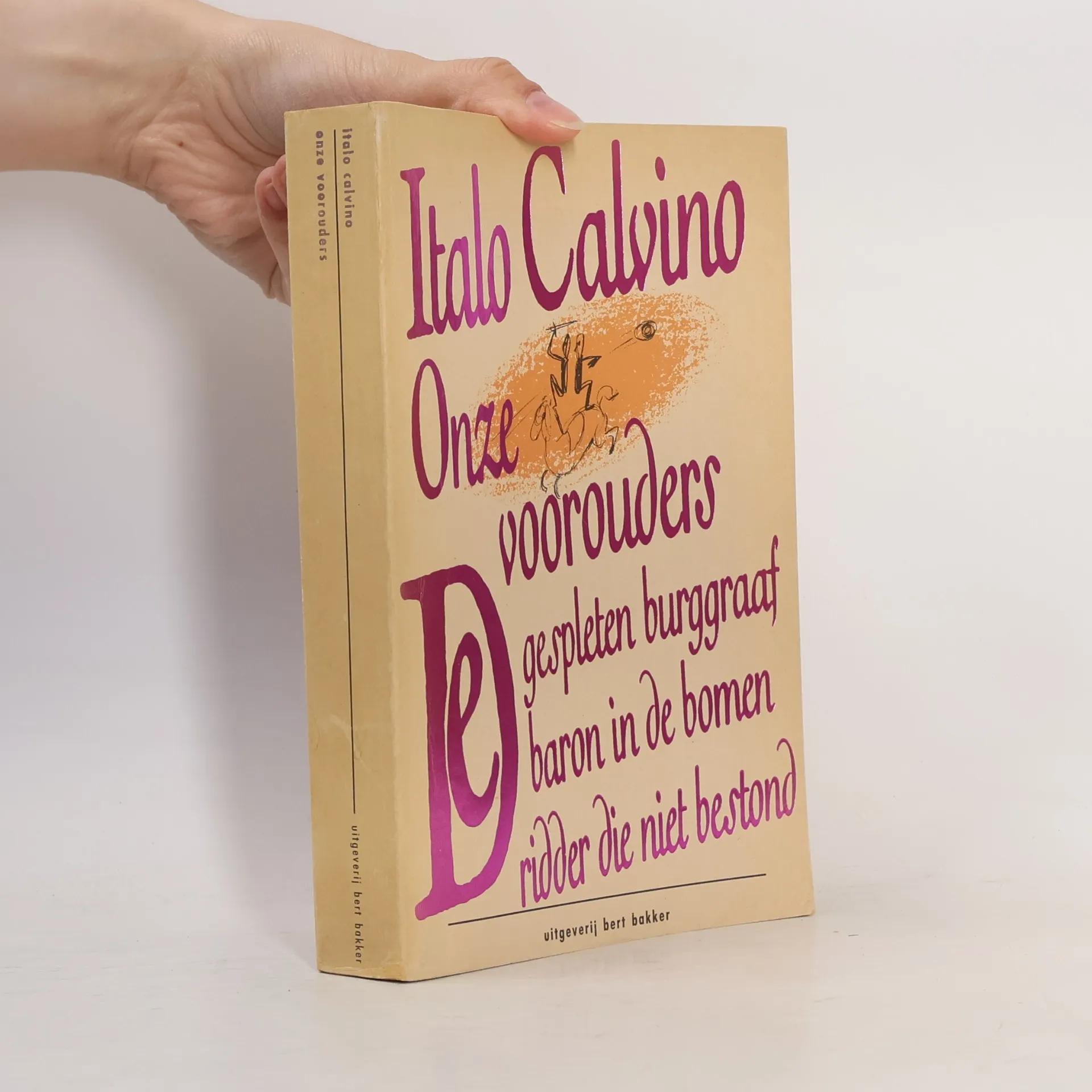
Deze trilogie duikt in de absurditeit en reflecties op identiteit via fantastische verhalen. Elke roman bevat een uniek personage wiens eigenaardige situatie de menselijke natuur en maatschappelijke normen onderzoekt. De serie wordt geprezen om zijn speelse ironie, filosofische diepgang en tijdloze aantrekkingskracht.
The story follows Viscount Medardo of Terralba, who is bisected by a cannonball during a battle against the Turks. His two halves embark on contrasting paths: one indulges in a life of decadence and evil, while the other embodies virtue. As both halves vie for the affection of the same woman, their rivalry leads to increasingly outrageous antics. This novella showcases Calvino's unique blend of humor and fantasy, presenting a captivating exploration of identity and morality in a whimsically macabre setting.
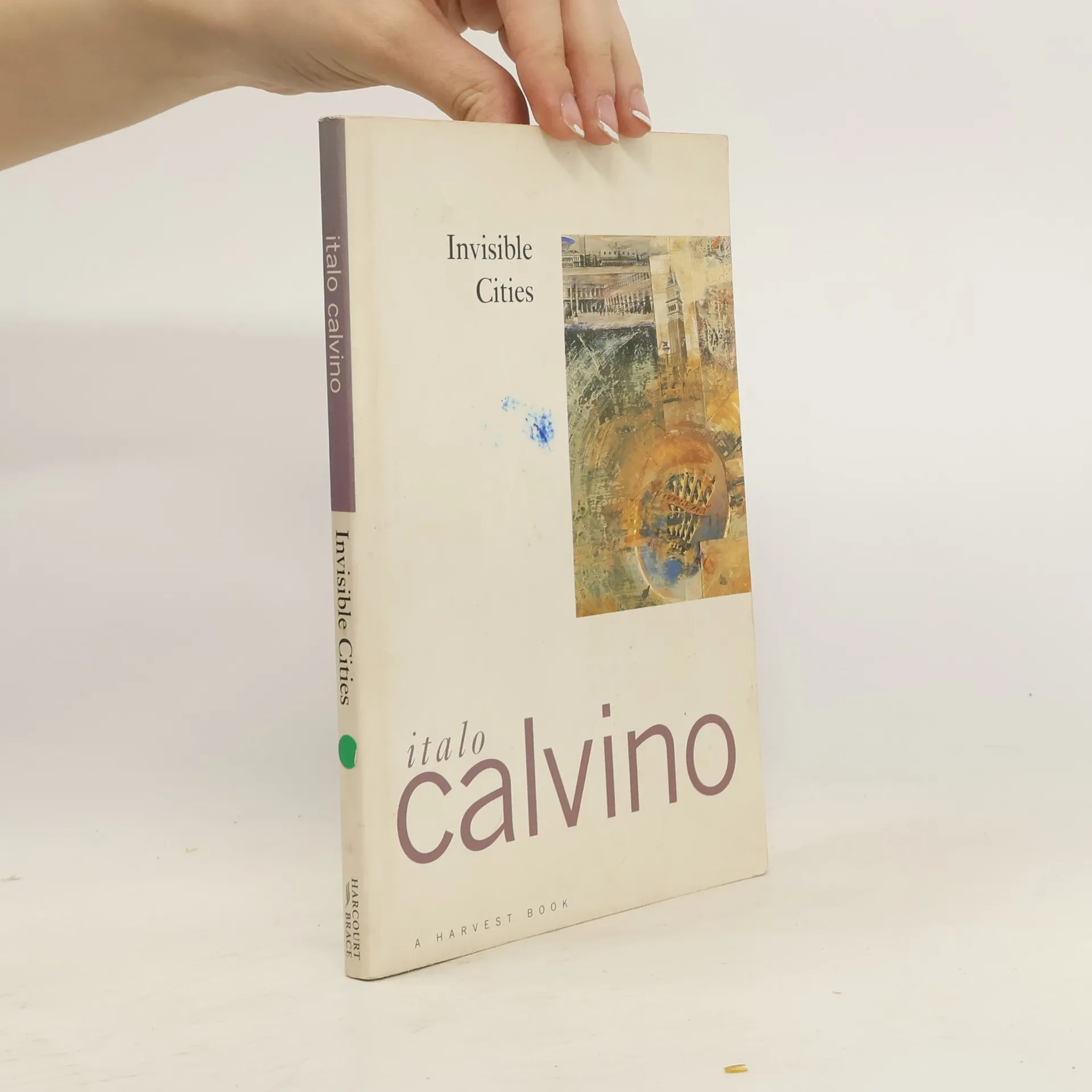
"Kublai Khan does not necessarily believe everything Marco Polo says when he describes the cities visited on his expeditions, but the emperor of the Tartars does continue listening to the young Venetian with greater attention and curiosity than he shows any other messenger or explorer of his." So begins Italo Calvino's compilation of fragmentary urban images. As Marco tells the khan about Armilla, which "has nothing that makes it seem a city, except the water pipes that rise vertically where the houses should be and spread out horizontally where the floors should be," the spider-web city of Octavia, and other marvelous burgs, it may be that he is creating them all out of his imagination, or perhaps he is recreating fine details of his native Venice over and over again, or perhaps he is simply recounting some of the myriad possible forms a city might take.
Innen hohl, besteht Ritter Agilulf nur aus Rüstung, Kampfgeist und Pflichtgefühl: Das Musterbild eines ordentlichen Soldaten. Doch ausgerechnet diesen ergebensten Kämpfer Karls des Großen trifft der Verdacht, zu Unrecht zum Ritter geschlagen worden zu sein.
Inhoud: De gespleten burggraaf , De baron in de bomen , De ridder die niet bestond . Burggraaf Medardo wordt doormidden gekliefd door een Turkse kanonskogel, zijn twee helften leven onafhankelijk van elkaar voort. Baron Cosimo klimt als twaalfjarige in de bomen om er nooit meer uit te komen en vanuit die veilige positie bekijkt hij de wereld. Agilulf - ridder aan het hof van Karel de Grote - is onoverwinnelijk, maar achter zijn vizier gaapt het niets... Rond ieder van deze merkwaardige personages weeft Calvino een fantastisch verhaal - geplaatst in een historische context, maar met een tijdloze sfeer. De drie verhalen kunnen op verschillende niveaus gelezen worden: als een allegorie over de toestand van de mensheid bijvoorbeeld, of als een symbolische stamboom van de hedendaagse mens. De scherpzinnige humor, de schitterende vondsten, kortom het sprankelende talent van een geboren verteller vormen echter de grootste charme van Onze voorouders , een klassieke drieluik, het meesterwerk van Calvino.