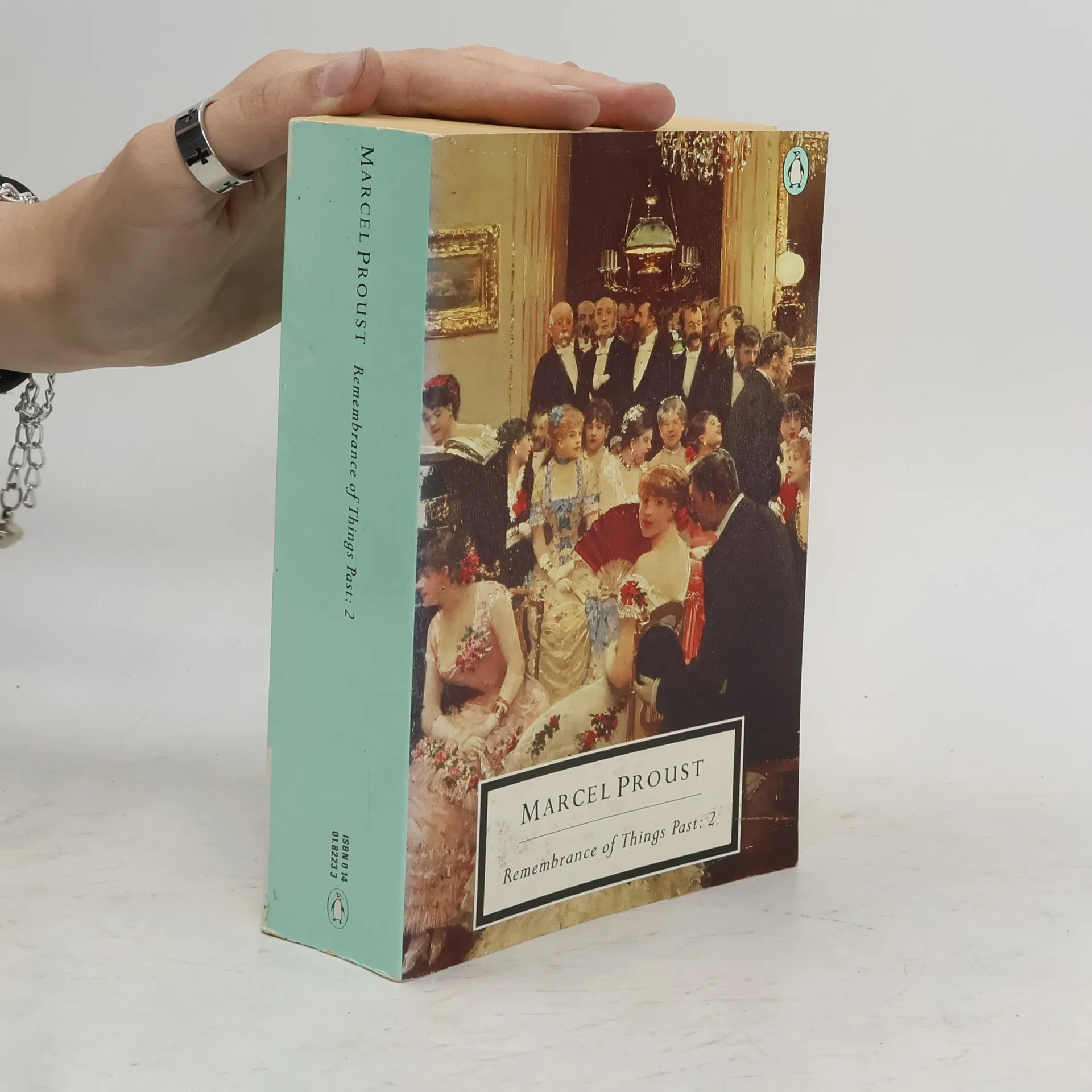
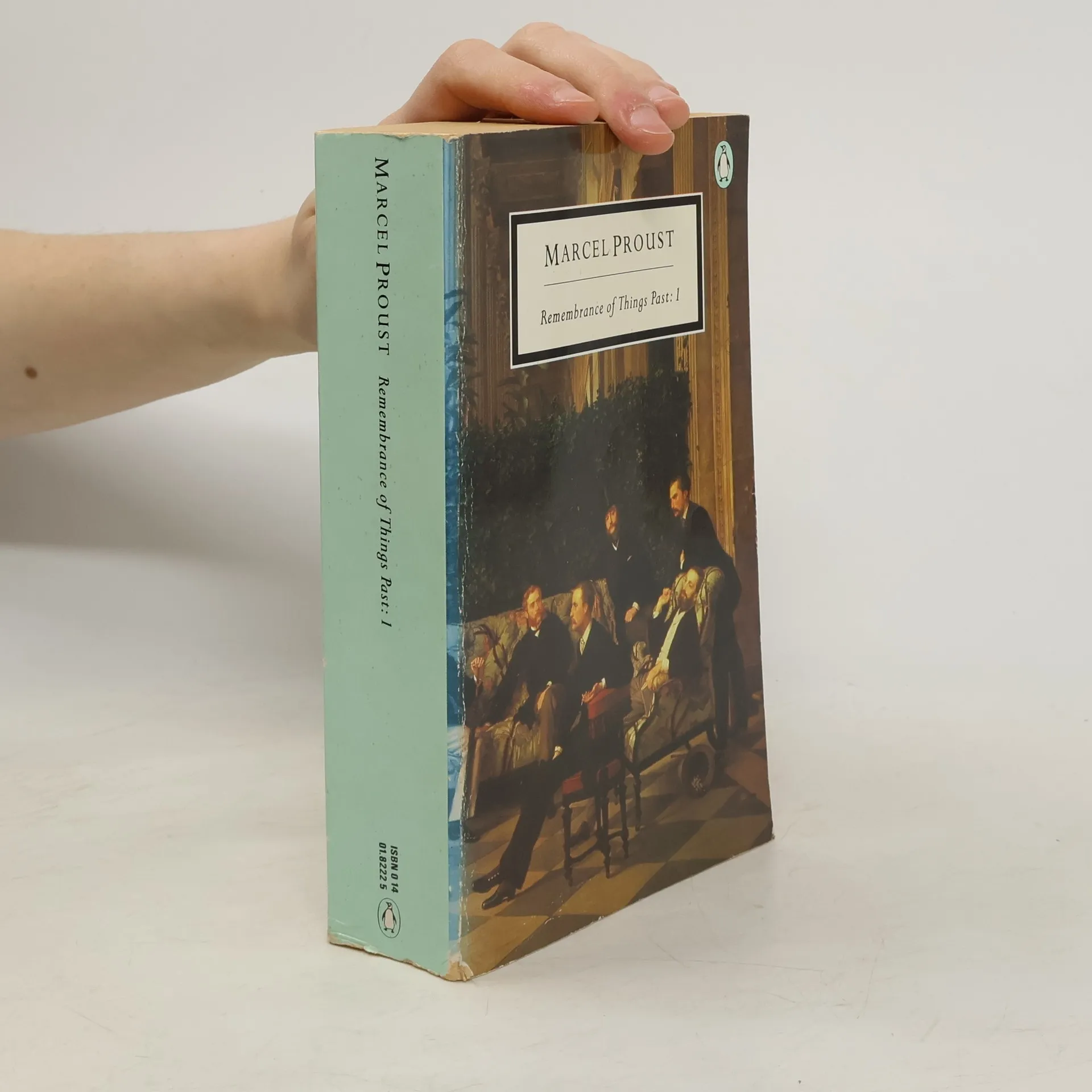
Deze monumentale sage duikt diep in de labyrinten van herinnering en tijd, en onderzoekt de transformaties van het menselijk bewustzijn en de subjectieve aard van de werkelijkheid. Door een vloeiende stroom van herinneringen en reflecties ontvouwt zich een rijk tapijt van sociale relaties, kunst en liefde. Het werk vangt meesterlijk de nostalgie naar een verloren verleden en de zoektocht naar betekenis in een voortdurend veranderende wereld.
'The transmutation of sensation into sentiment, the ebb tide of memory, waves of emotion such as desire, jealousy, and artistic euphoria — this is the material of this enormous and yet singularly light and translucid work' — Vladimir Nabokov Originally rendered by C.K. Scott Moncrieff from an early and unrealiable French edition, Proust’s masterpiece has now been flawlessly translated by Terence Kilmartin in this acclaimed version.
Marcel Proust whiled away the first half of his life as a self-conscious aesthete and social climber. The second half he spent in the creation of the mighty roman-fleuve that is Remembrance of Things Past, memorializing his own dandyism and parvenu hijinks even as he revealed their essential hollowness. Proust begins, of course, at the beginning--with the earliest childhood perceptions and sorrows. Then, over several thousand pages, he retraces the course of his own adolescence and adulthood, democratically dividing his experiences among the narrator and a sprawling cast of characters. Who else has ever decanted life into such ornate, knowing, wrought-iron sentences? Who has subjected love to such merciless microscopy, discriminating between the tiniest variations of desire and self-delusion? Who else has produced a grief-stricken record of time's erosion that can also make you laugh for entire pages? The answer to all these questions is: nobody.