
Bookbot

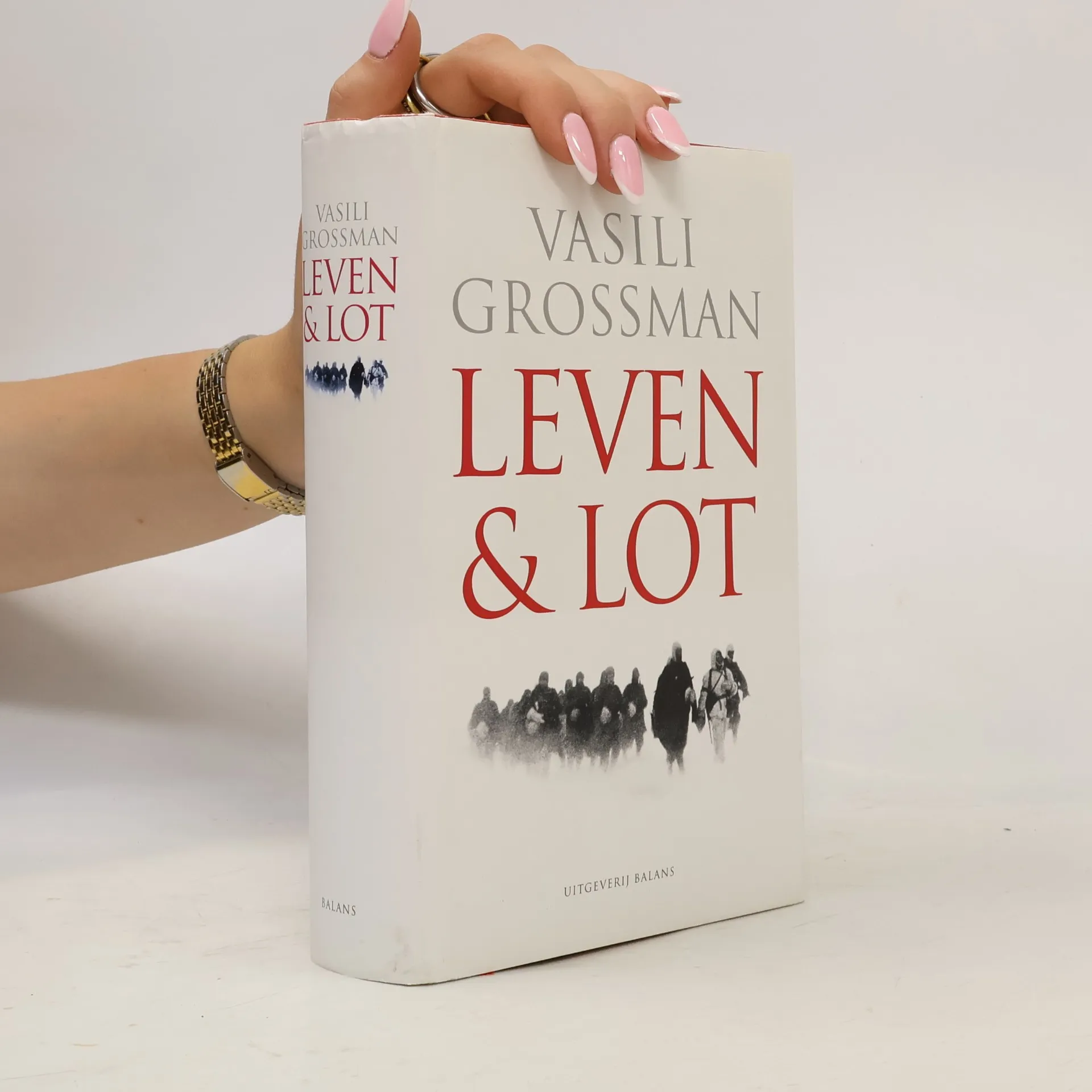
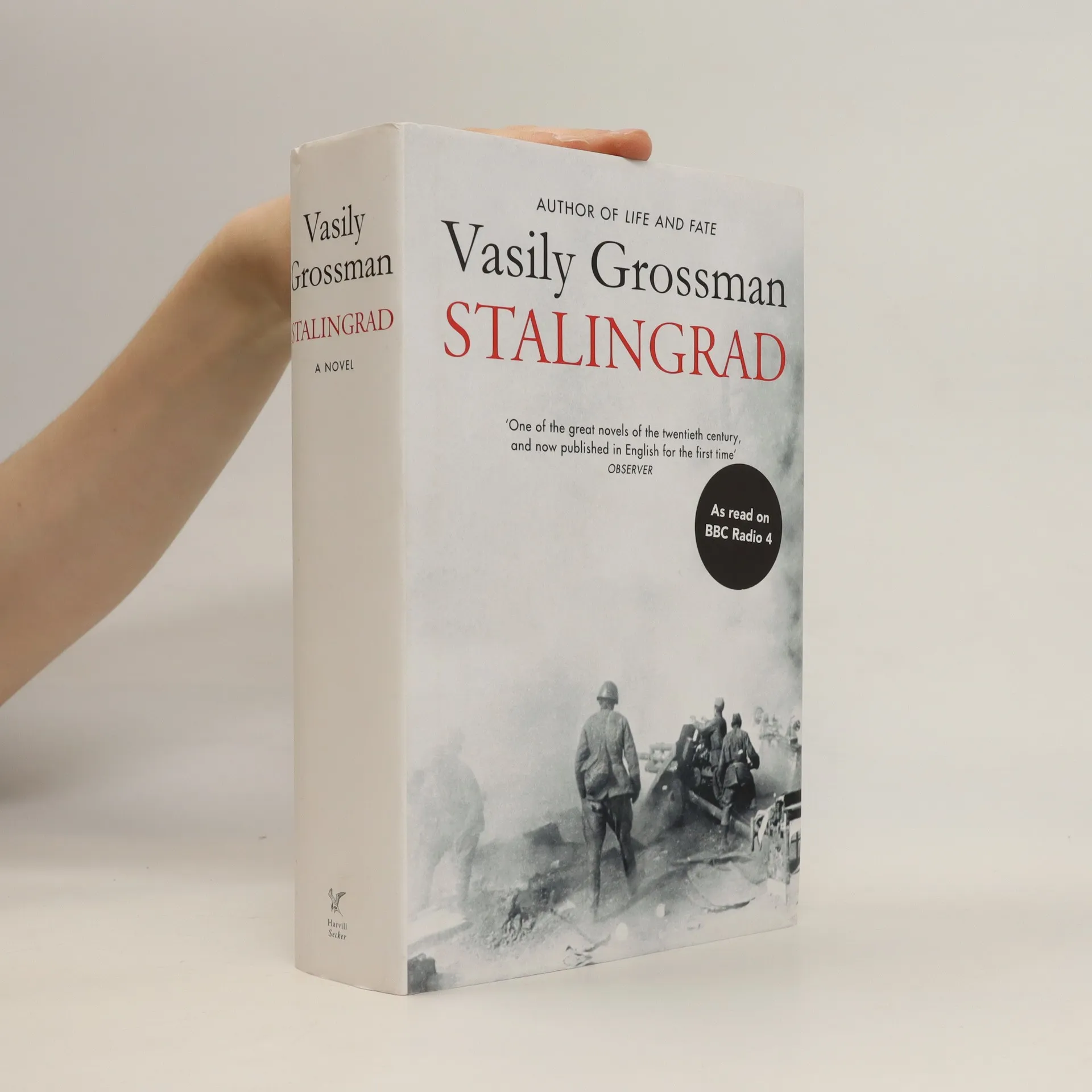
Stalingrad

Deze epische saga duikt in het hart van de meest brute slag van de Tweede Wereldoorlog, waarbij de gruwelen van oorlog en menselijk lijden met compromisloos realisme worden weergegeven. De serie volgt het lot van soldaten en burgers die gevangen zitten in de smeltkroes van historische gebeurtenissen, en onderzoekt hun strijd om te overleven, waardigheid en zingeving te midden van totale vernietiging. Het biedt een diepgaande analyse van de psychologische tol van conflicten en de ontembare geest van menselijk doorzettingsvermogen.

Gli Adelphi - 430: Vita e destino
Life and fate
Stalingrad

Aanbevolen leesvolgorde

  1. Stalingrad

    • 704bladzijden
    • 25 uur lezen

    "Vassily Grossman (1905 -1964) has become well-known in the last twenty years - above all for his novel Life and Fate. This has often been described as a Soviet (or anti-Soviet) War and Peace. Most readers, however, do not realize that it is only the second half of a dilogy. The first half, originally titled Stalingrad but published in 1952 under the title For a just cause, has received surprisingly little attention. Scholars and critics seem to have assumed that, since it was first published in Stalin's lifetime, it can only be considered empty propaganda. In reality, there is little difference between the two novels. The chapters in the earlier novel about the Shaposhnikov family are as tender, and sometimes humorous, as in the later novel. The chapters devoted to the long retreats of 1941 and the first half of 1942 are perhaps still more vivid than the battle scenes in the later novel"-- Provided by publisher

    Stalingrad1
    4,3
  2. Life and fate

    • 880bladzijden
    • 31 uur lezen

    Suppressed by the KGB, Life and Fate is a rich and vivid account of what the Second World War meant to the Soviet Union. On its completion in 1960, Life and Fate was suppressed by the KGB. Twenty years later, the novel was smuggled out of the Soviet Union on microfilm. At the centre of this epic novel looms the battle of Stalingrad. Within a world torn apart by ideological tyranny and war, Grossman’s characters must work out their destinies. Chief among these are the members of the Shaposhnikov family – Lyudmila, a mother destroyed by grief for her dead son; Viktor, her scientist-husband who falls victim to anti-semitism; and Yevgenia, forced to choose between her love for the courageous tank-commander Novikov and her duty to her former husband. Life and Fate is one of the great Russian novels of the 20th century, and the richest and most vivid account there is of what the Second World War meant to the Soviet Union.

    Life and fate2
    4,6
  3. «Il libro segue con ottocentesca, tolstojana generosità molteplici destini individuali spostandosi da Stalingrado (città doppia: simbolo di difesa e libertà contro la violenza nazista e insieme luogo-emblema dell’Urss staliniana; solo nella “casa di Grekov” si vive secondo onore e senza gerarchie) ai lager sovietici e ai mattatoi nazisti, da Mosca (le stanze del potere, le celle della Lubjanka) alla provincia russa. E raccontando la “crudele verità” della guerra, le storie intrecciate di eroi e traditori, automi di partito ed esseri pensanti, delatori, burocrati, intriganti, carnefici, martiri, personaggi fittizi e reali, inframmezzando la narrazione con numerosi dialoghi (di ascendenza, questi, dostoevskiana), Grossman continua a interrogarsi sull’essenza di sistemi che uccidono la realtà – di conseguenza anche gli uomini – falsificandola, sostituendola con l’Idea. Al posticcio e menzognero “bene” di Stato lo scrittore può opporre soltanto, per quanto ardua e apparentemente impossibile in tempi disumani, la bontà individuale, rivendicando – sommessamente, ma con tenacia – l’irripetibilità del singolo destino umano. Giacché “Ciò che è vivo non ha copie ... E dove la violenza cerca di cancellare varietà e differenze, la vita si spegne”». Serena Vitale

    Gli Adelphi - 430: Vita e destino2
    4,6