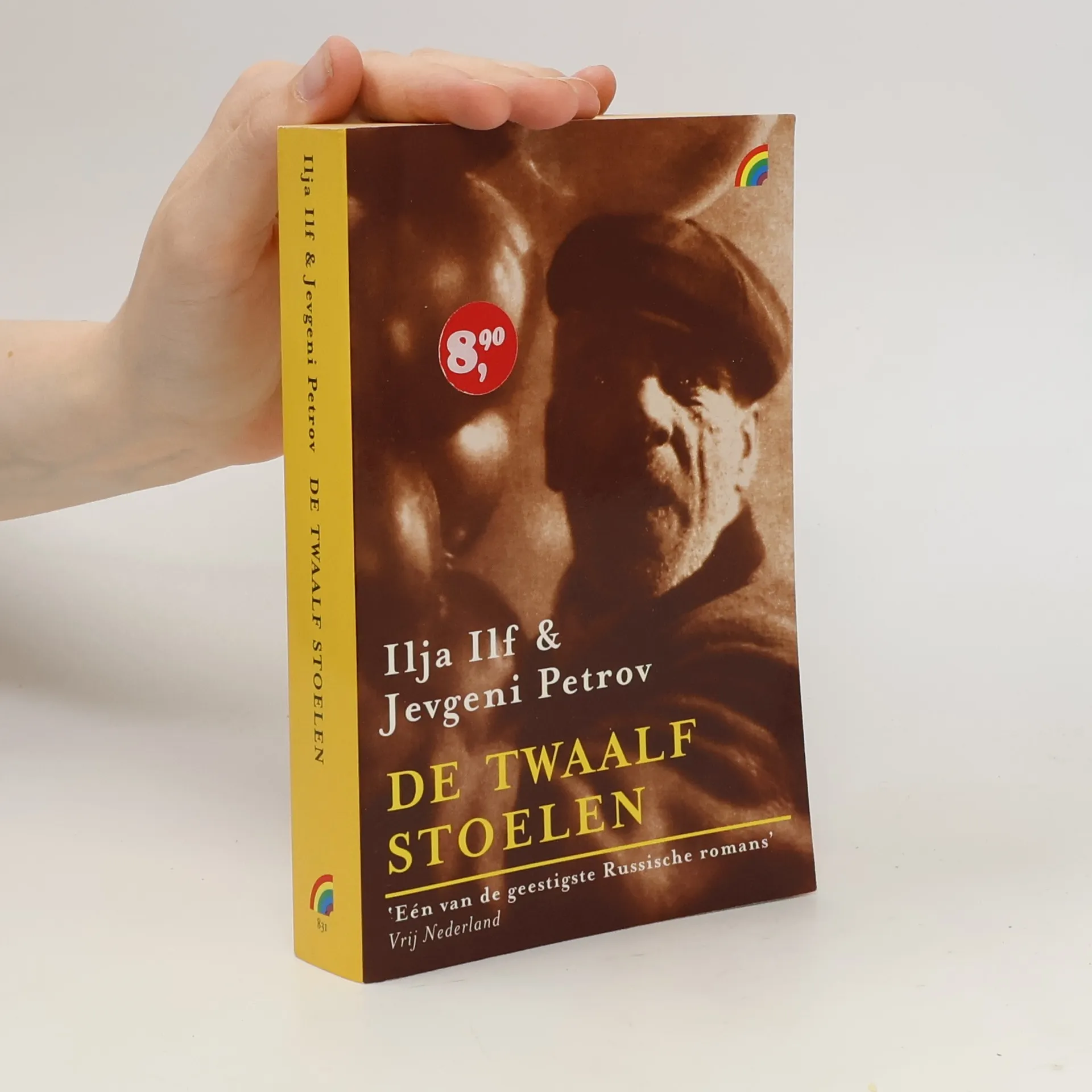
Als Hippoliet Vorobjaninov op 15 april 1927 van zijn stervende schoonmoeder verneemt dat ze vlak voor de revolutie van 1917 haar juwelen in een stoelzitting heeft verborgen, verandert zijn leven radicaal. Ten prooi aan goudkoorts verwisselt de vooraanstaand ex-edelman zijn stoffige baantje van zaakbezorger der burgerlijke stand voor het ongewisse bestaan van avonturier en schatzoeker. Aan het begin van zijn speurtocht ontmoet hij de charmante oplichter Ostap Bender en de twee besluiten hun krachten te bundelen.
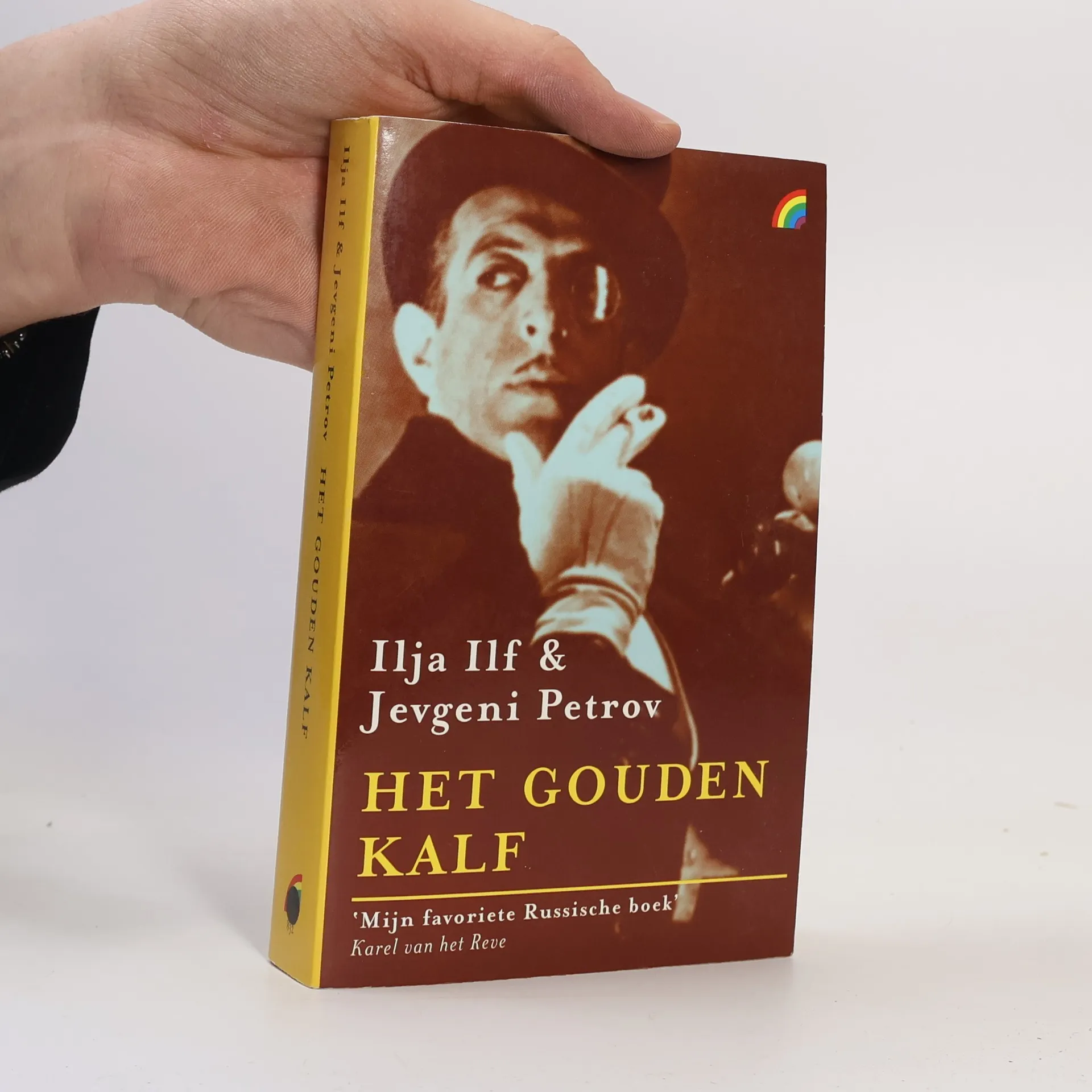
Van de drie vertalingen die er binnen een jaar van Het gouden kalf (1931) eind 1994, begin 1995 in ons land zijn verschenen, gooide de uitgave van uitgeverij M. Bondi, door de eigenzinnige, vrolijke vertaling van Frans Stapert, de hoogste ogen; dit is een andere vertaling. In de roman van het bekende schrijversduo uit Odessa, Ilja Ilf en Jevgeni Petrov, worden nieuwe belevenissen verteld van de aartsoplichter Ostap Bender, met wie de lezer reeds in de eerder verschenen roman De twaalf stoelen (1928) kennis heeft kunnen maken. In Het gouden kalf weet Bender, dank zij veel vernuft en doorzettingsvermogen, een Sovjetmiljonair zijn geld afhandig te maken. Hij slaagt echter niet in zijn poging zijn nieuw verworven rijkdom de grens over te brengen. Een schitterende, humoristische avonturenroman, geschreven in een tijd die in veel opzichten doet denken aan de periode van economische verwarring waarin Rusland op dit moment verkeert.
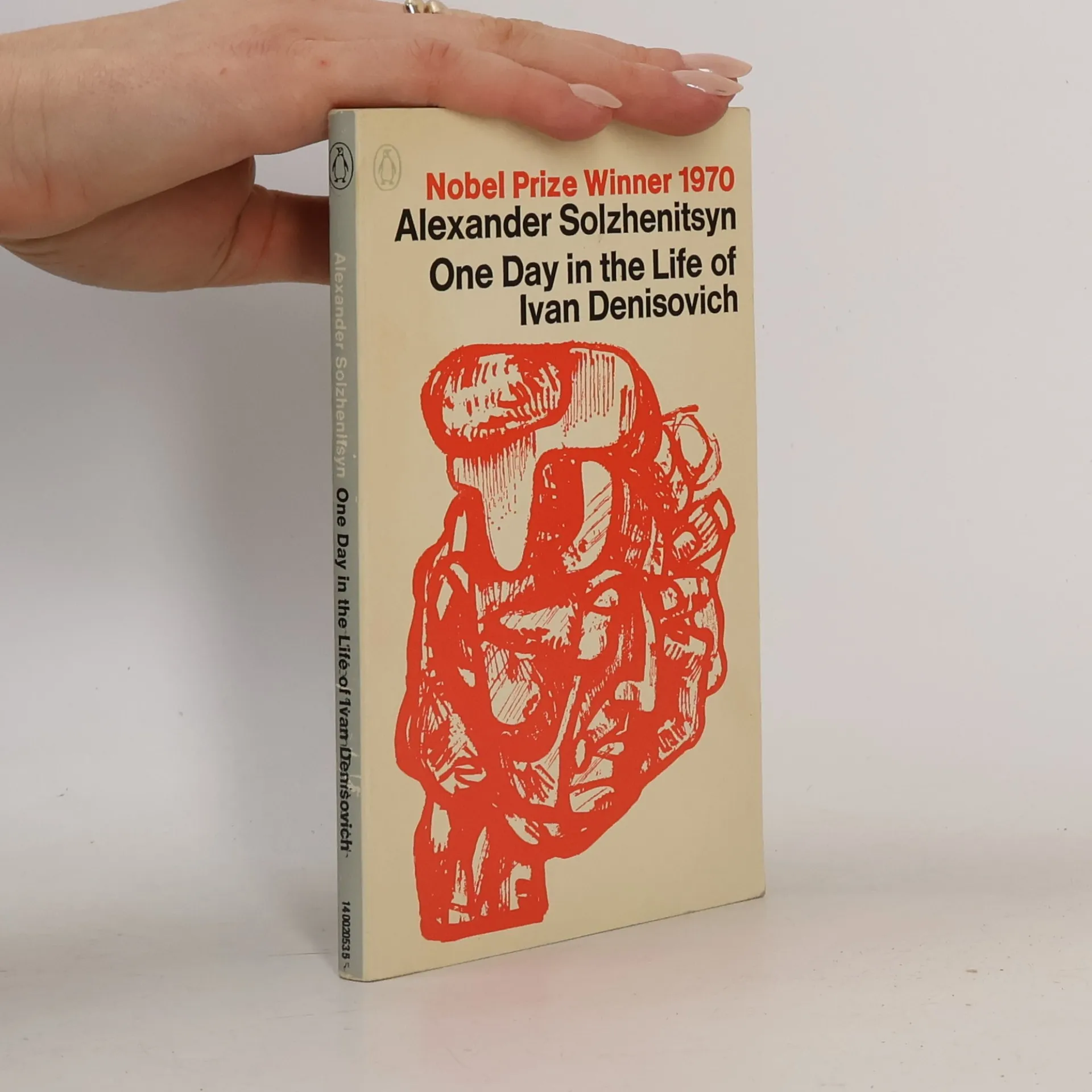
“Stark . . . the story of how one falsely accused convict and his fellow prisoners survived or perished in an arctic slave labor camp after the war.”—Time From the icy blast of reveille through the sweet release of sleep, Ivan Denisovich endures. A common carpenter, he is one of millions viciously imprisoned for countless years on baseless charges,sentenced to the waking nightmare of the Soviet work camps in Siberia. Even in the face of degrading hatred, where life is reduced to a bowl of gruel and a rare cigarette, hope and dignity prevail. This powerful novel of fact is a scathing indictment of Communist tyranny, and an eloquent affirmation of the human spirit. The prodigious works of Alexander Solzhenitsyn, including his acclaimed The Gulag Archipelago, have secured his place in the great tradition of Russian literary giants. Ironically, One Day in the Life of Ivan Denisovich is the only one of his works permitted publication in his native land. Praise for One Day in the Life of Ivan Denisovich “Cannot fail to arouse bitterness and pain in the heart of the reader. A literary and political event of the first magnitude.”—New Statesman “Both as a political tract and as a literary work, it is in the Doctor Zhivago category.”—Washington Post “Dramatic . . . outspoken . . . graphically detailed . . . a moving human record.”—Library Journal
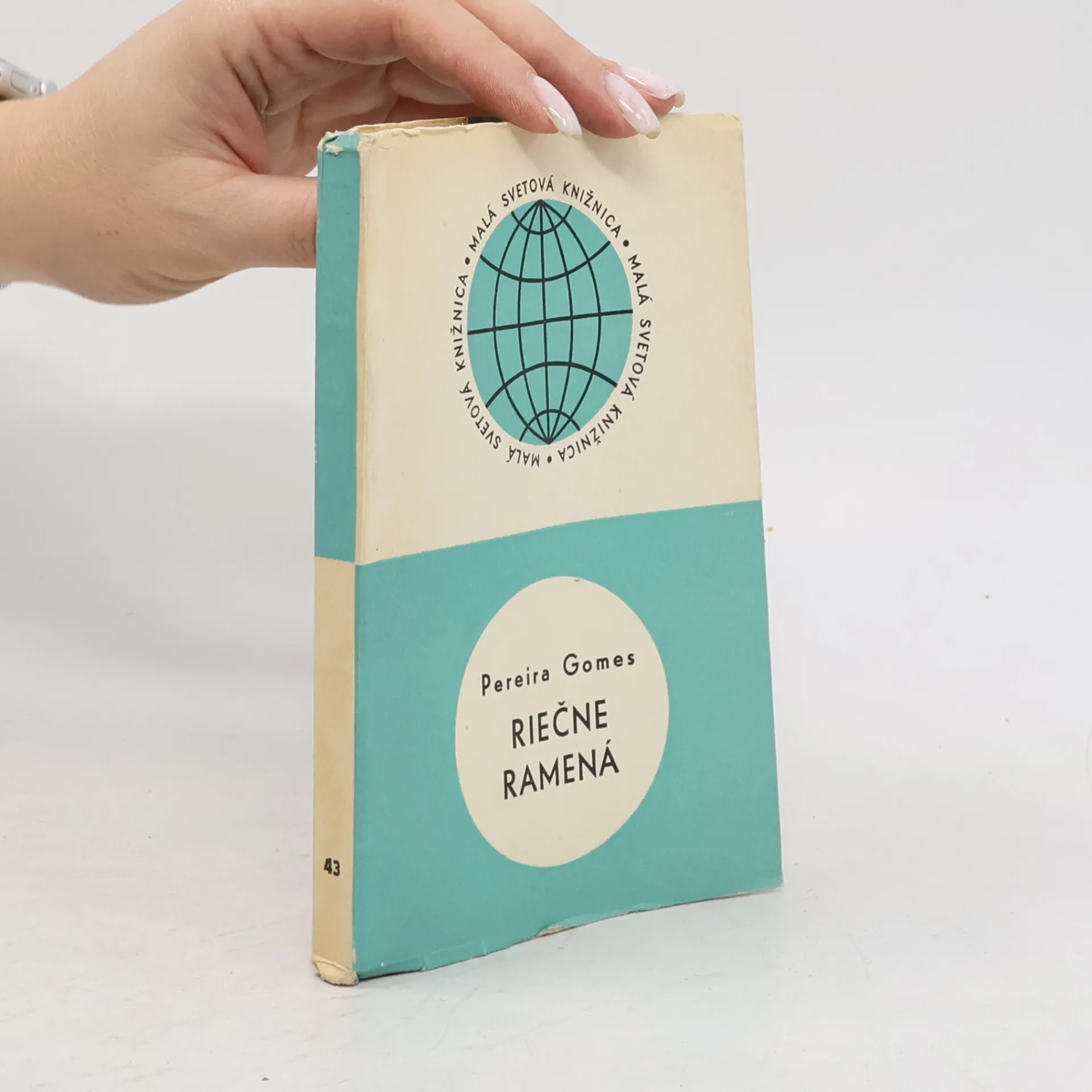
Gomes venoval riečne ramená „deťom ľudí, ktorí nikdy neboli deťmi“. No Riečne ramená nie sú knihou pre deti. Je to otriasajúce svedectvo o neradostnom detstve v salazarovskom Portugalsku. Deti sú najbezbrannejšou obeťou fašistického režimu a jeho najväčšou obžalobou. Vysoká detská úmrtnosť, podvýživa, ťažká práca, nedostatočné školské vzdelanie, predčasné dospievanie, prostitúcia, detská zločinnosť, to sú pliagy, ktoré nivočia sily mladého portugalského pokolenia.
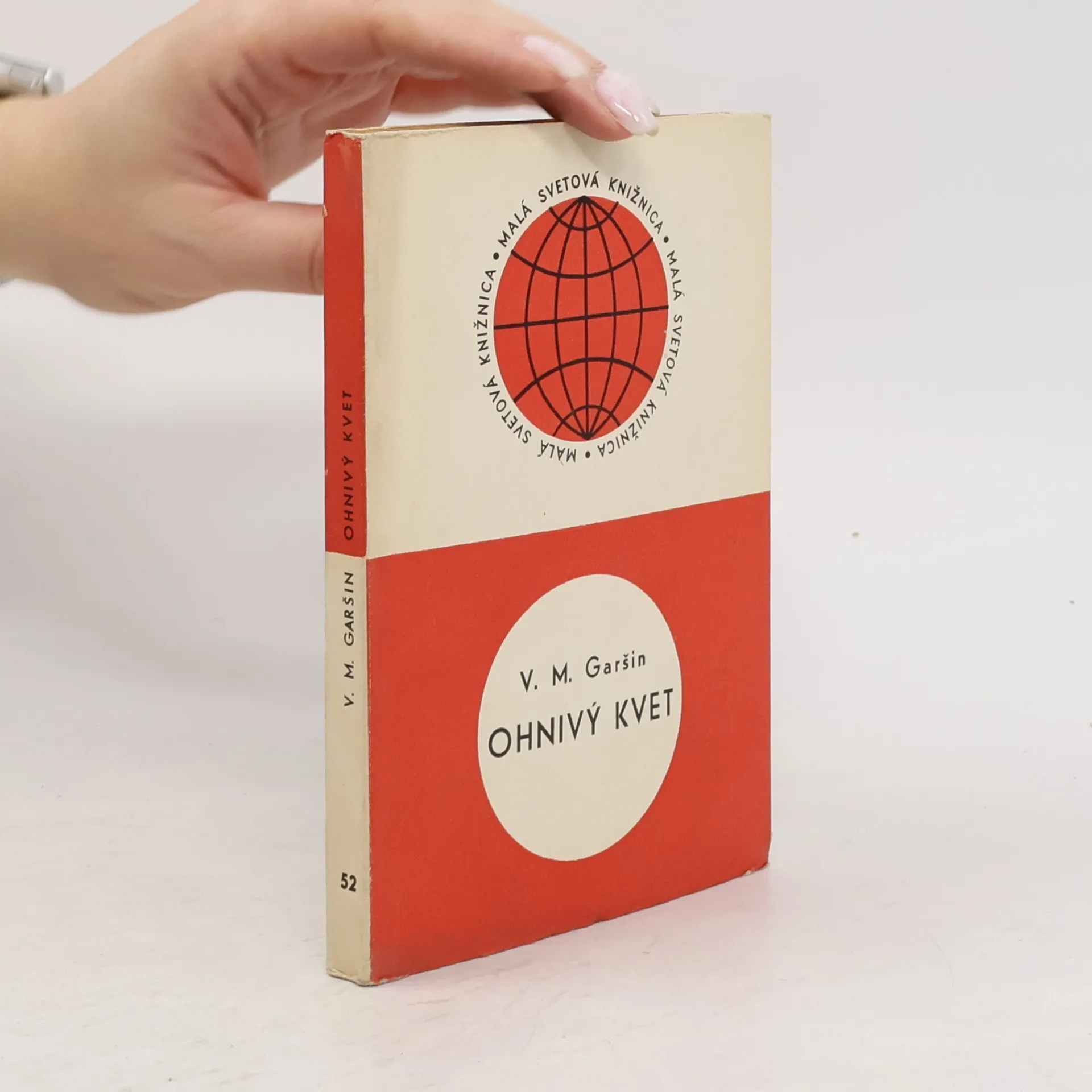
Výber poviedok. Jednou z najlepších z nich je poviedka Ohnivý kvet, zachytávajúca tragédiu jednotlivca, ale aj márnu revoltu a pošliapaný sen celej garšinovskej generácie. Garšin patrí ku klasikom ruskej poviedky a hlbokou láskou k človeku i citlivým prienikom do ľudskej duše sa podobá najmäČechovovi. Avšak psychologickou prenikavosťou s motívmi fantastickosti a symbolickosti je blízky aj Dostojovskému a Turgenevovi. 2. vyd., v tomto výbere prvé.