Covering every aspect of food within literary texts, from experimental cook
books to the sumptuous dinner parties at the heart of every Victorian Novel,
The Literature of Food is the first comprehensive study of its kind and a
must-buy for students on literature and food courses.
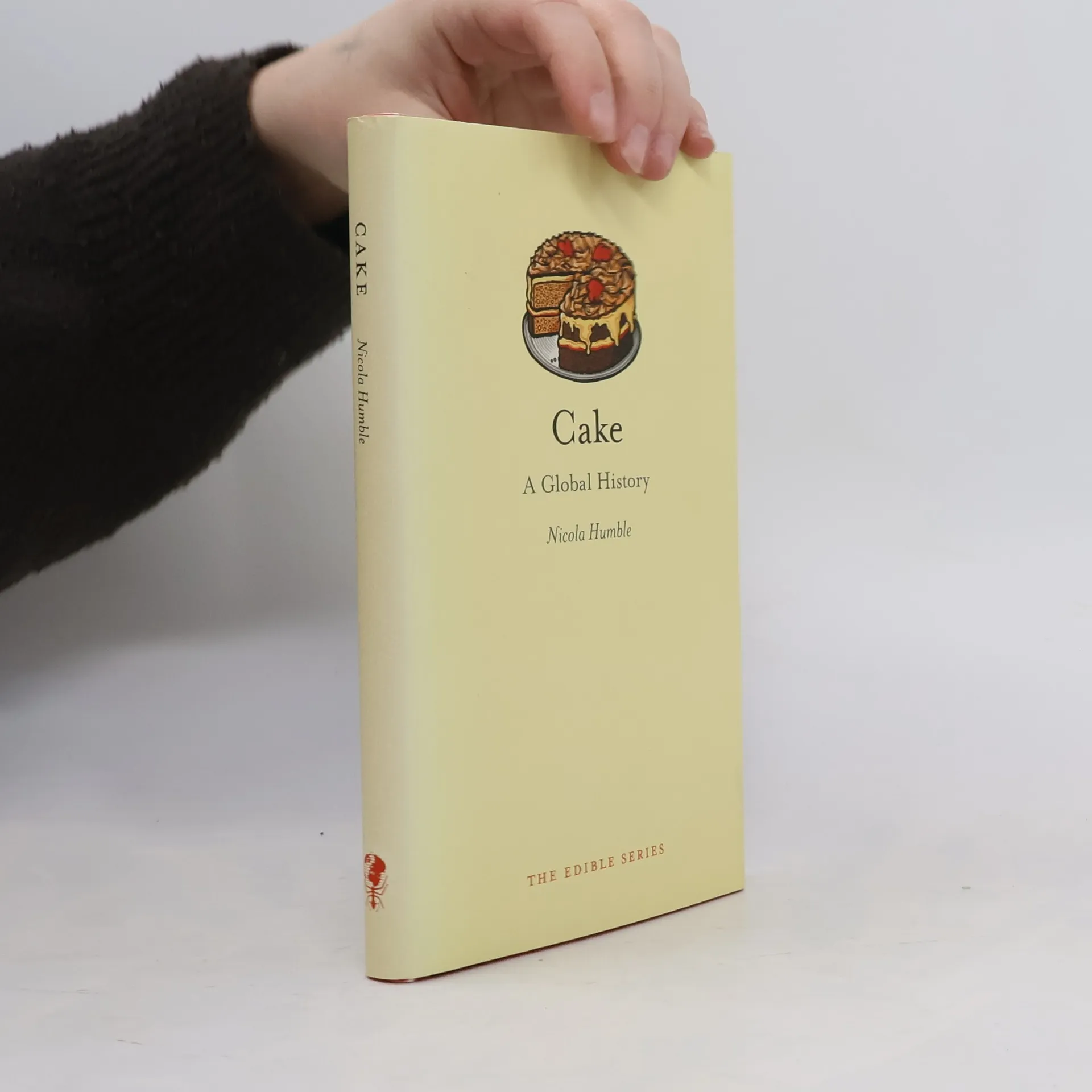
Be it a birthday or a wedding—let them eat cake. Encased in icing, crowned with candles, emblazoned with congratulatory words—cake is the ultimate food of celebration in many cultures around the world. But how did cake come to be the essential food marker of a significant occasion? In A Global History , Nicola Humble explores the meanings, legends, rituals, and symbolism attached to cake through the ages. Humble describes the many national differences in cake-making techniques, customs, and regional histories—from the French gâteau Paris-Brest , named for a cycle race and designed to imitate the form of a bicycle wheel, to the American Lady Baltimore cake, likely named for a fictional cake in a 1906 novel by Owen Wister. She also details the role of cake in literature, art, and film—including Miss Havisham’s imperishable wedding cake in Great Expectations and Marcel Proust’s madeleine of memory—as well as the art and architecture of cake making itself. Featuring a large selection of mouthwatering images, as well as many examples and recipes for some particularly unusual cakes, Cake will provide many sweet reasons for celebration.
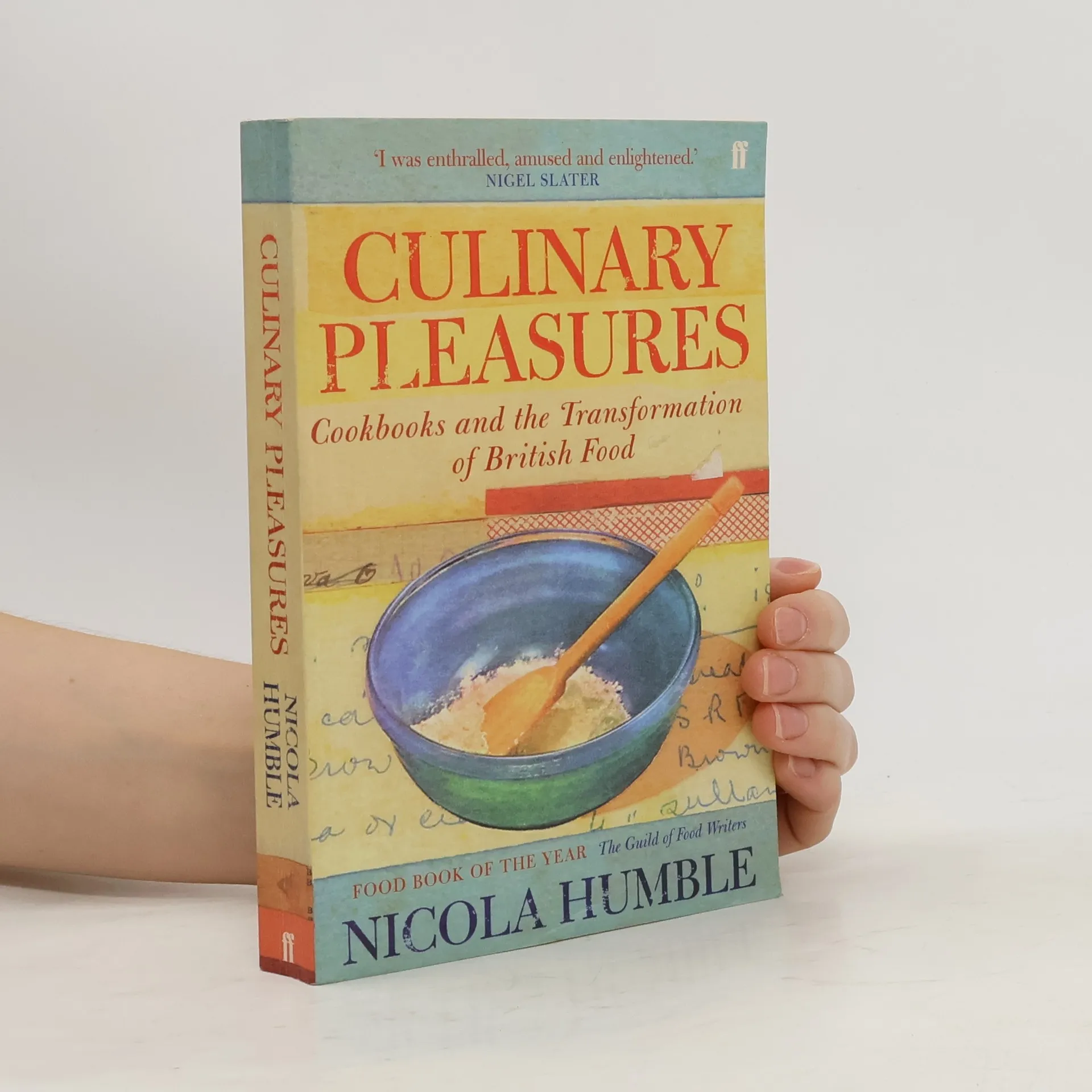
Presents the history of Britain's culinary evolution through the cookery books which have inspired us over the course of a century, beginning with Mrs Beeton and leading to the rise of the celebrity TV chef.
Classic / British English When they were very young, Anne Elliot and Captain Wentworth were in love. They did not marry, but Anne never forgot her love for him. Now, many years later, they meet again. Does Wentworth feel anything for Anne, or is he only interested in her pretty young friends?