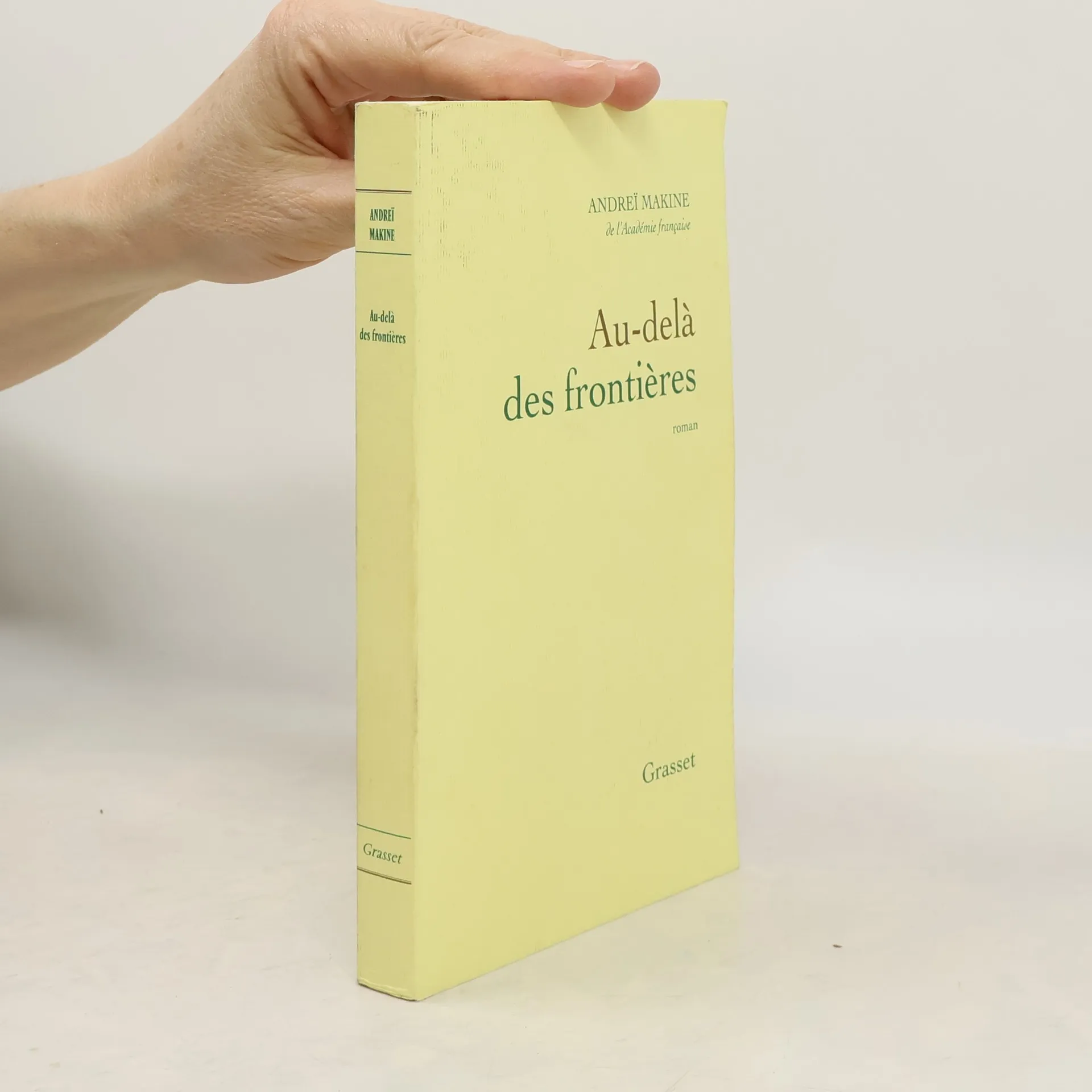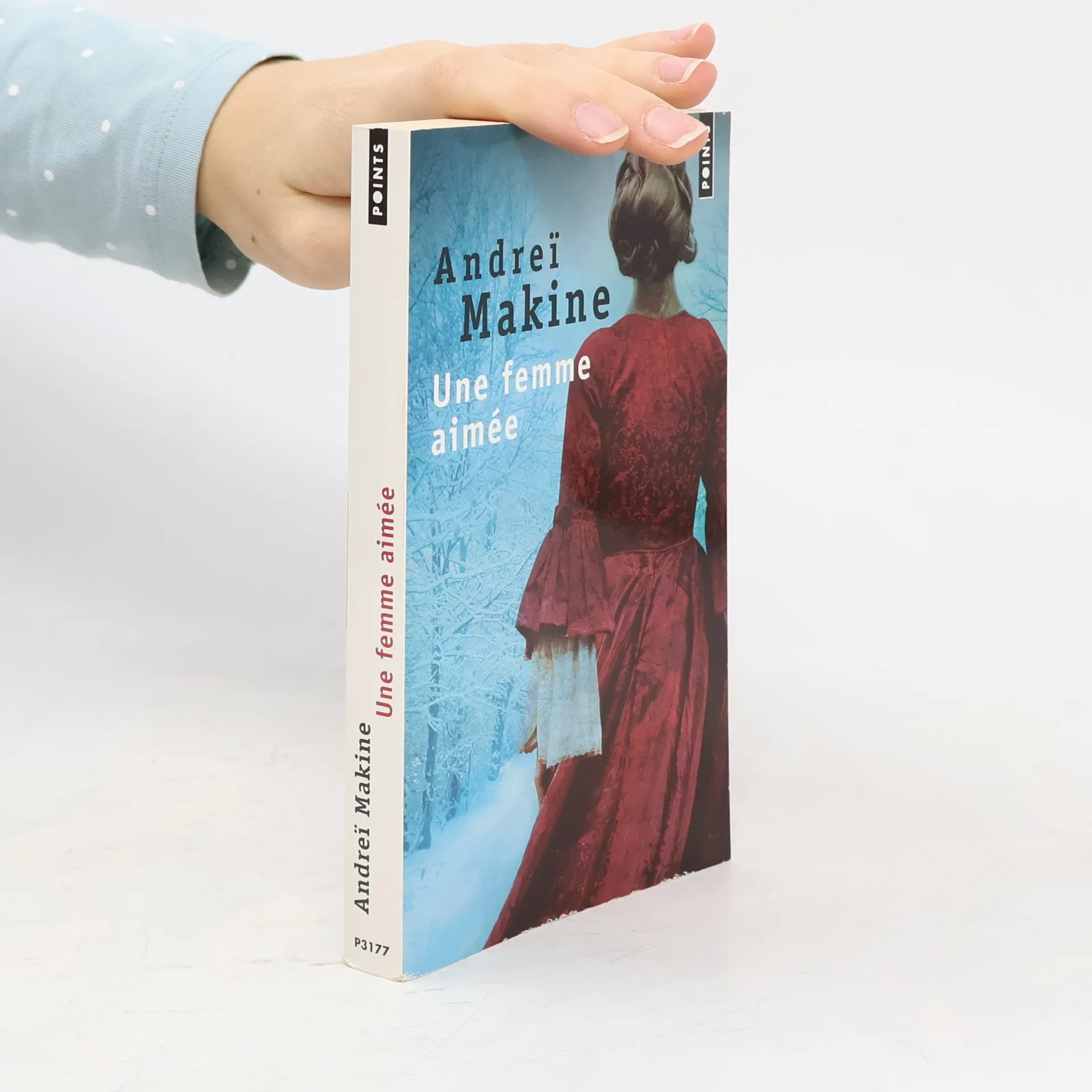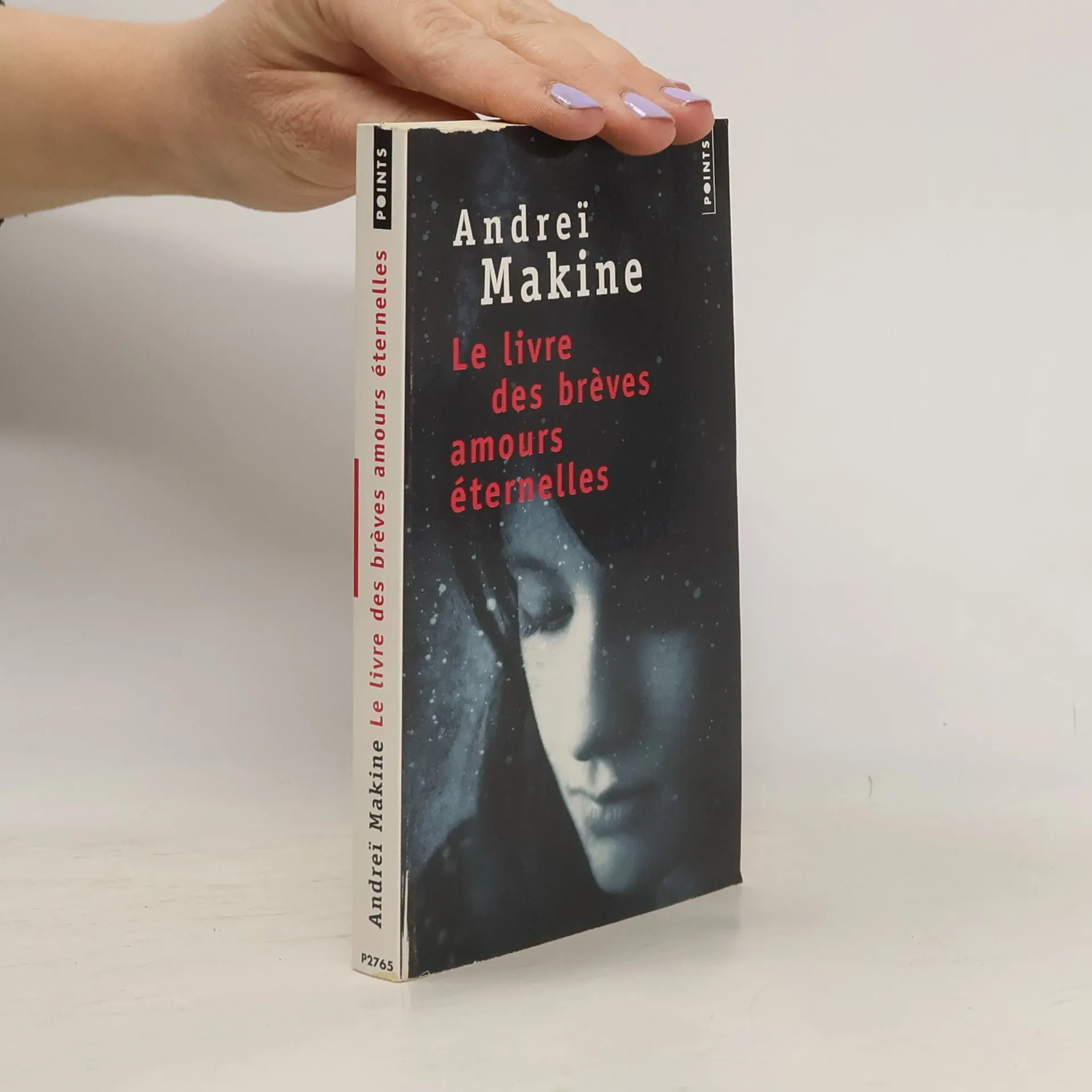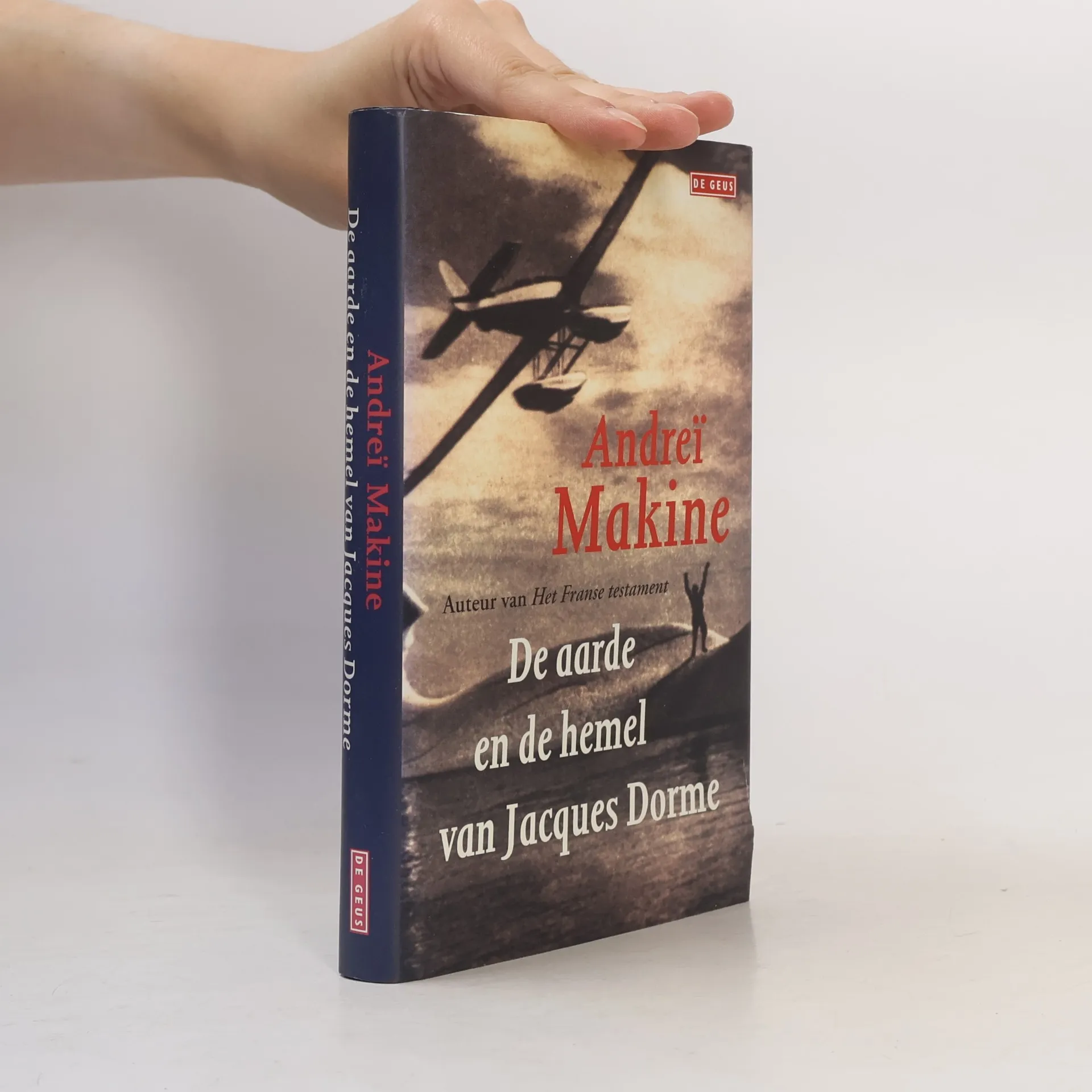
Andreï MakineVolgorde van de boeken (chronologisch)
10 september 1957
Andreï Makine creëert verhalen die werelden verbinden en met uitzonderlijke linguïstische gratie de diepe kruispunten van herinnering, cultuur en identiteit onderzoekt. Zelf de complexiteit van ballingschap en culturele dualiteit navigerend, duikt zijn werk diep in de emotionele landschappen van menselijke verbinding en de zoektocht naar ergens thuishoren. Makine's proza bezit een zeldzaam vermogen om verre geschiedenissen en intieme ervaringen op te roepen, waardoor hij een onderscheidende stem is in de hedendaagse literatuur. Zijn schrijven is een krachtig getuigenis van de blijvende geest en het ingewikkelde tapijt van het menselijk hart.
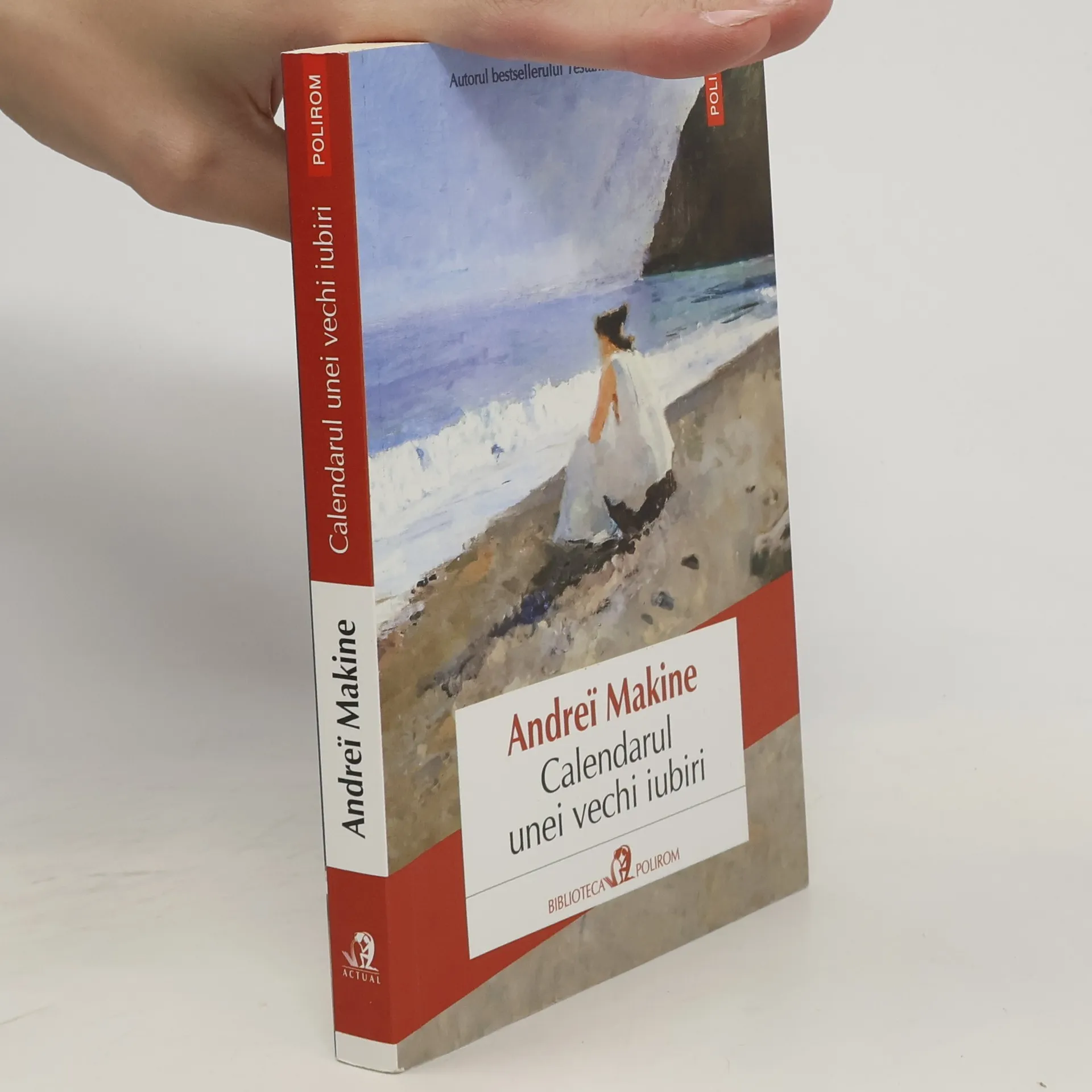
"'Qu'importe l'éternité de la damnation a celui care a găsit într-o secundă infinitul plăcerii.' (Baudelaire) Acesta ar fi spiritul acestei sagă lapidare - un secol de furie și sânge pe care Valdas Bataeff îl va traversa, confruntându-se, încă tânăr, cu evenimentele tragice ale epocii sale. În mijlocul furtunii, reușește să se desprindă de cruzimea lumii: o iubire clandestină într-o paranteză încântată, între vechiul calendar al Rusiei imperiale și noua cronologie impusă de 'constructorii viitorului strălucitor'. Capodoperă a conciziei, acest roman despre trădare, sacrificiu și răscumpărare ne readuce, la nivel uman, dramele marii Istorii: revoluții, conflicte mondiale, sfâșierea de după război. Totuși, o țesătură secretă, dincolo de comediile umane atroce, ne eliberează de influența lor și face infinită fragila brevității a unei iubiri rănite."
Set in Siberia in the 1970s during the decline of the Soviet Empire, the adult
narrator looks back on a childhood friendship formed with an Armenian boy
called Vardan. A story about how one friendship can shift our perspective and
irrevocably change our lives.
Le jeune Vivien de Lynden est obsédé par ses préjugés racistes et par la décadence de l'Occident. Il est l'auteur d'un manuscrit titré Le grand déplacement. Sa mère décide de faire publier ce brûlot politiquement incorrect après la mort de son fils et s'adresse pour cela à un ami de Gabriel Osmonde, le maître à penser de Vivien.
À Leningrad, Oleg Erdmann, apprenti cinéaste, survit en travaillant à l'abattoir. Il rêve de réaliser un film sur l'impératrice Catherine II et soumet son scénario au Comité d'État pour l'art cinématographique. Prix Casanova 2013.
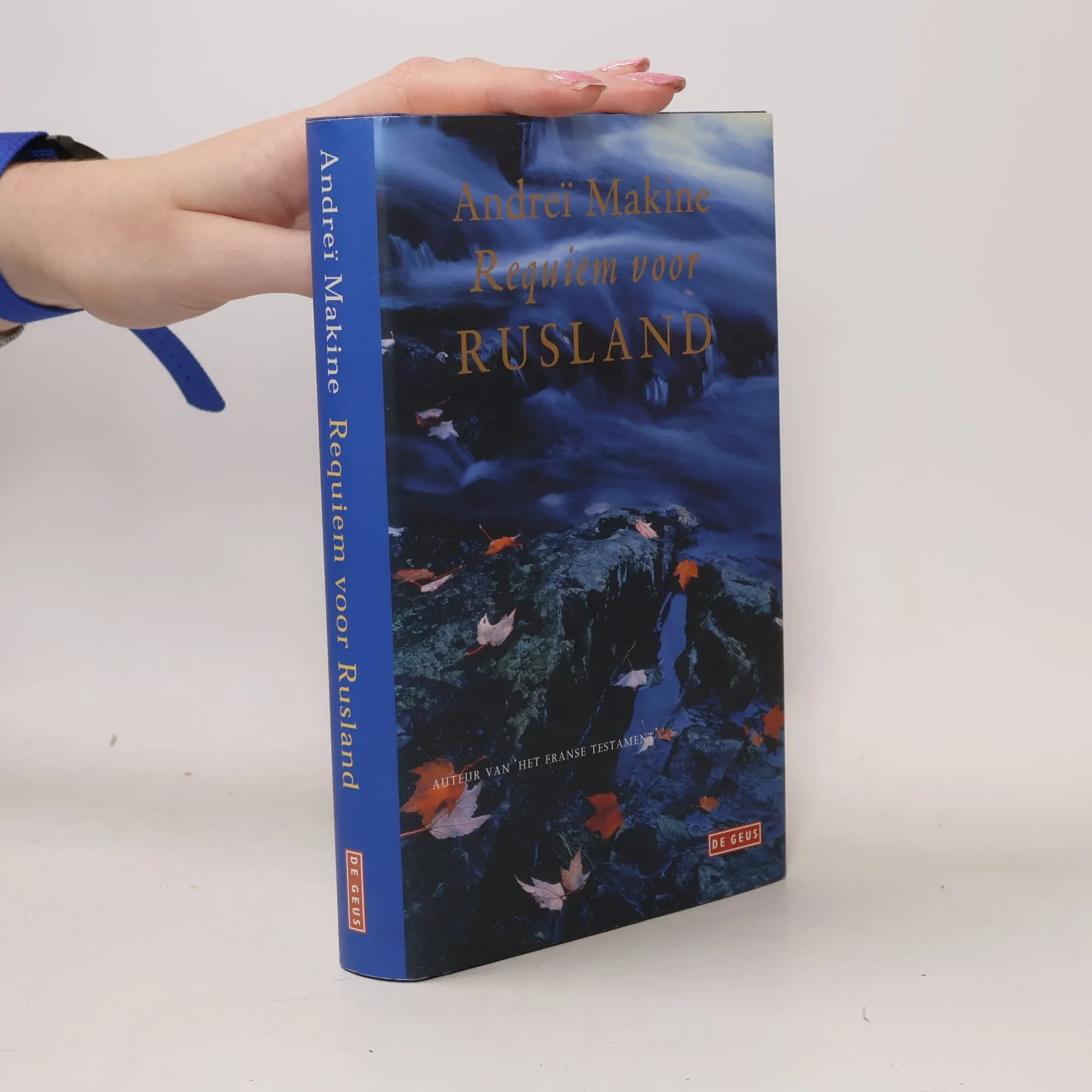
La 4e de couverture indique : "Le destin de Dmitri Ress pourrait être mesuré en longues années de combats, de rêves et de souffrances. Ou bien à l'intensité de l'amour qu'il portait à une femme. Ou encore en blessures, d'âme et de corps, qu'il a reçues, happé par la violence de l'affrontement entre l'Occident et la Russie. Cette pesée du Bien et du Mal serait juste s'il n'y avait pas, dans nos vies hâtives, des instants humbles et essentiels où surviennent les retrouvailles avec le sens, avec le courage d'aimer, avec la grisante intimité de l'être."
Love for another person. Love for humanity as a whole. Are the two compatible or mutually exclusive? In his most ambitious novel since Dreams of My Russian Summers, Andreï Makine takes us into the heart of Africa. His hero is Elias Almeida, a black revolutionary whose father was killed when Elias was still a child, and whose mother, to feed him, was forced to prostitute herself. Saved from death by a Catholic priest, Elias becomes a brilliant pupil, destined for greatness. But the memory of his parents turns him into an important cog in the worldwide revolutionary movement, sending him to Cuba and the Soviet Union to be trained for espionage and sabotage, first in his native Angola, still struggling to liberate itself from the colonial yoke, and then to other ""hot spots."" But what happens when a black revolutionary dedicated to bettering the world falls in love with a white woman, who wants only to live a peaceful, simple life?
Andrey Makine, Rusya'dan Fransa'ya göç etmiş bir yazardır. Bir Sovyet Kahramanının Kızı, Sovyetler Birliği'nin, İkinci Dünya Savaşı'ndan bu yana geçirdiği köklü değişimleri gözler önüne sererken, bir Rus ailesinin dramını işliyor. İvan, savaşa katılıp Sovyet kahramanı ilan edilmiş bir askerdir. Savaş bitince, hastabakıcı Tatvana ile evlenir; yeniden yapılanan ülkede kıtlıklarla, sıkıntılarla, soğukla boğuşarak kendilerine yeni bir hayat kurarlar. Kızları Olya doğar. Sahip olduğu kahramanlık nişanı ve bir Sovyet kahramanı olarak saygı görmesi, İvan için hayatta en değerli şeylerdir. Ancak savaş yıllarının anıları giderek bulanıklaşmakta, yaşanılan acılar toplum tarafından unutulmakta, ideallerin yerini maddi değerler almaktadır. Bu arada Olya büyür ve KGB ile çalışmaya başlar. Bir süre sonra İvan'ın hayatı tümüyle değişir; karısı ölmüş, kızı Olya uzaklara gitmiştir. Yirminci Yüzyılın ikinci yarısında Sovyetler Birliğinde ideallerin ölüşünü, uğruna savaşılan değerlerin çöküşünü, değişime ayak uyduramayarak yitip giden bir kuşağı lirik üslubuyla anlatan Andrey Makine, birçok eleştirmen tarafından Nabokov'la kıyaslanıyor.
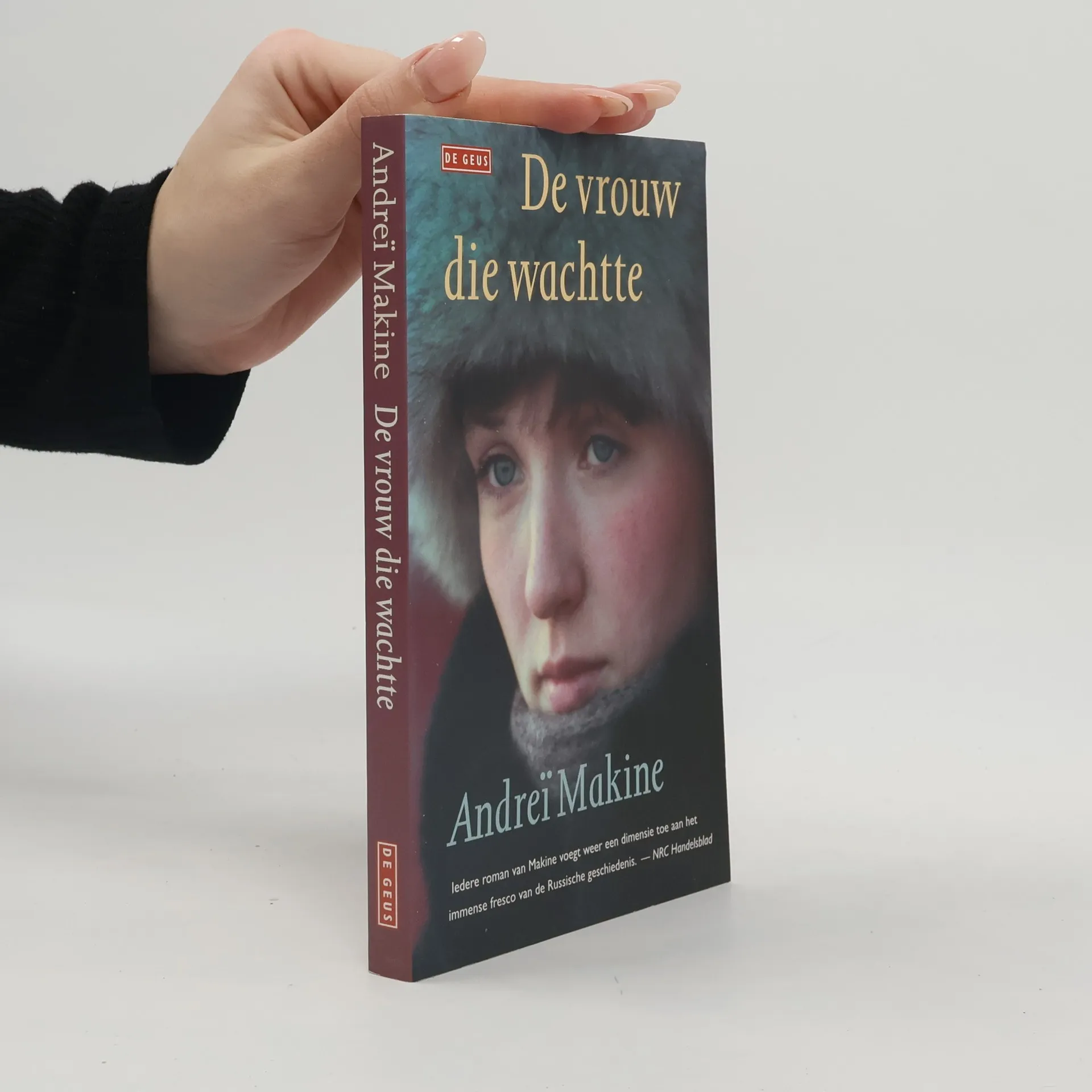
Amid the ashes of the Soviet Union a Russian army doctor turned spy addresses the woman he loves - a fellow spy who has shared his shadowy life in Africa, Europe and the Middle East, but who has disappeared. The tale he unfolds spans three generations of his family, ordinary people caught up in the convulsions of the Russian empire in the twentieth century, from the civil war through the Second World War to beyond the fall of communism. It is a tale of brutality and soured dreams yet also one of altruism, tenacity and immense courage, written by a master.
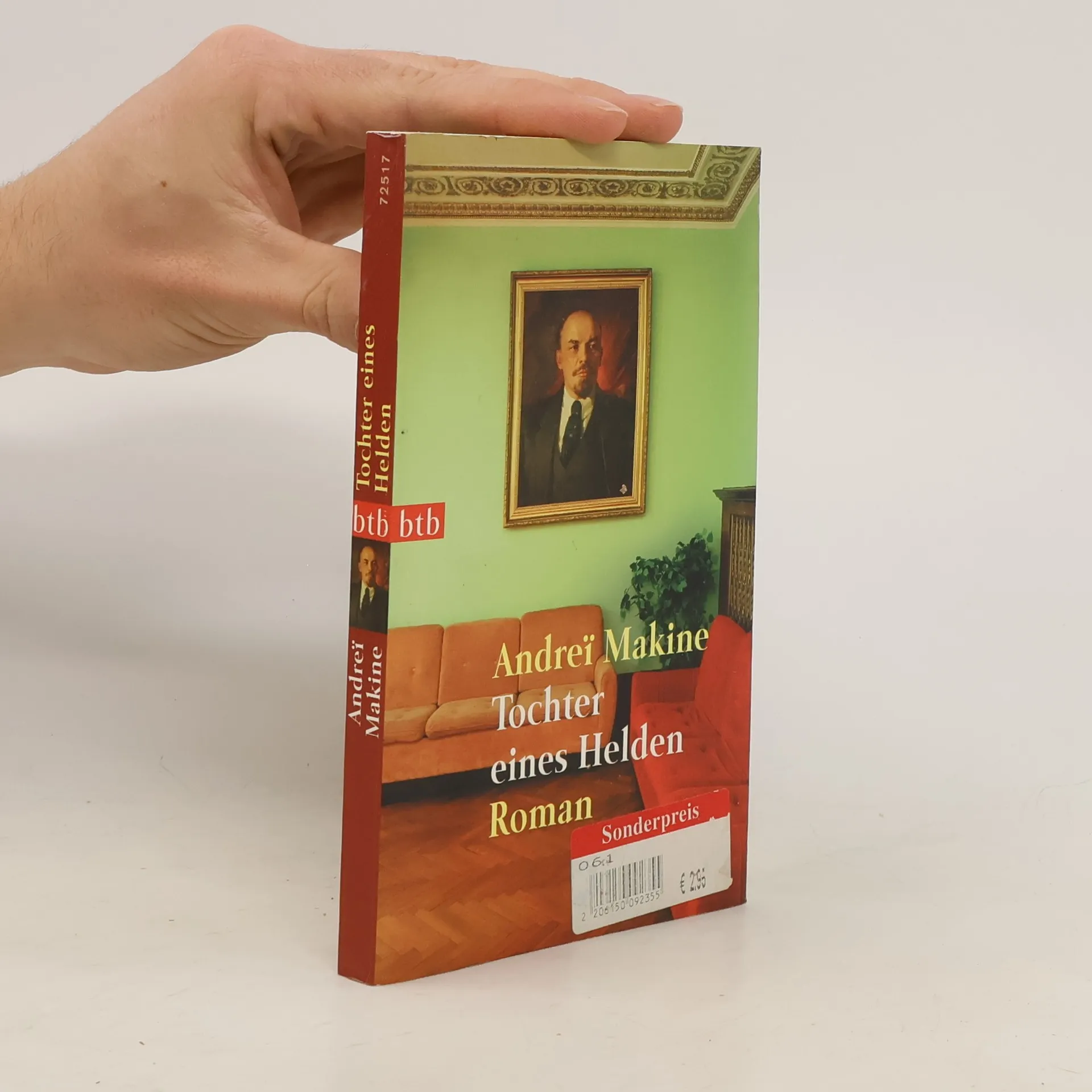
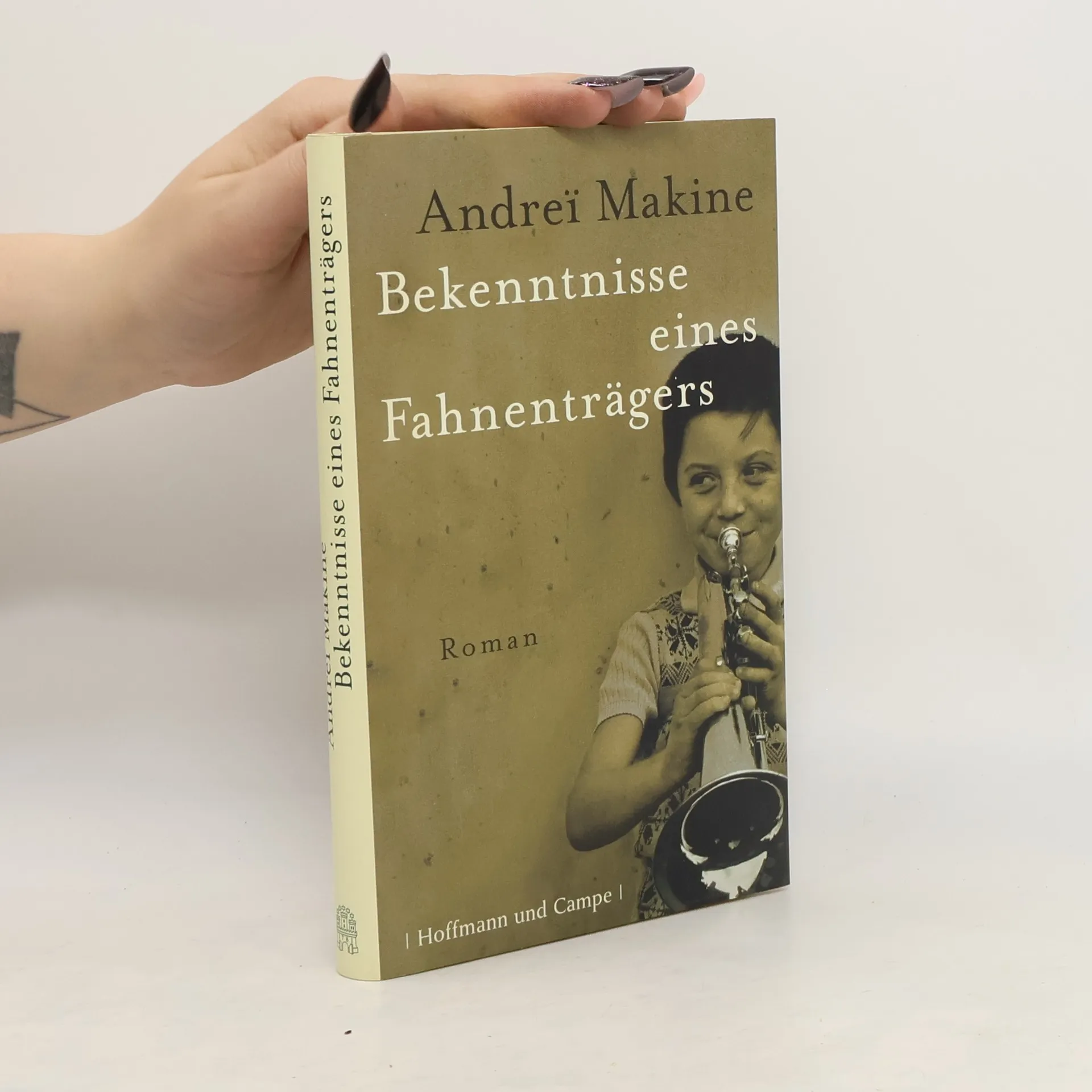
'Alles war so klar zu Beginn unseres Lebens. Unsere Kindheit schmeckte nach blitzenden Blechinstrumenten, vibrierte kriegerisch wie das gespannte Leder der Trommel. Wir marschierten mit einer samtigen Staubschicht auf den Beinen dem strahlenden Horizont entgegen. Wir wussten nicht, dass man uns wie Zirkuspferde nur im Kreis herumführte.' Arkadi und Aljoscha haben eine sowjetische Bilderbuchkindheit. Tag für Tag marschieren sie als Pioniere mit Trommel und Trompete durch die Steppe. Ihr Glück wird auch nicht dadurch getrübt, dass sie in ihrem Wohnblock nahe Leningrad immer wieder wegen ihrer Väter gehänselt werden. Diese sind ein ebenso unzertrennliches Gespann wie ihre Söhne, aber aus tragischen Gründen: Beide sind kriegsversehrt, und so trägt einer den anderen auf dem Rücken durch die Gegend. Die strahlende Welt von Arkadi und Aljoscha bekommt einen Riss, als ihre Väter sterben. In einem Pionierlager provozieren sie einen Skandal, der weitreichende Folgen haben wird.
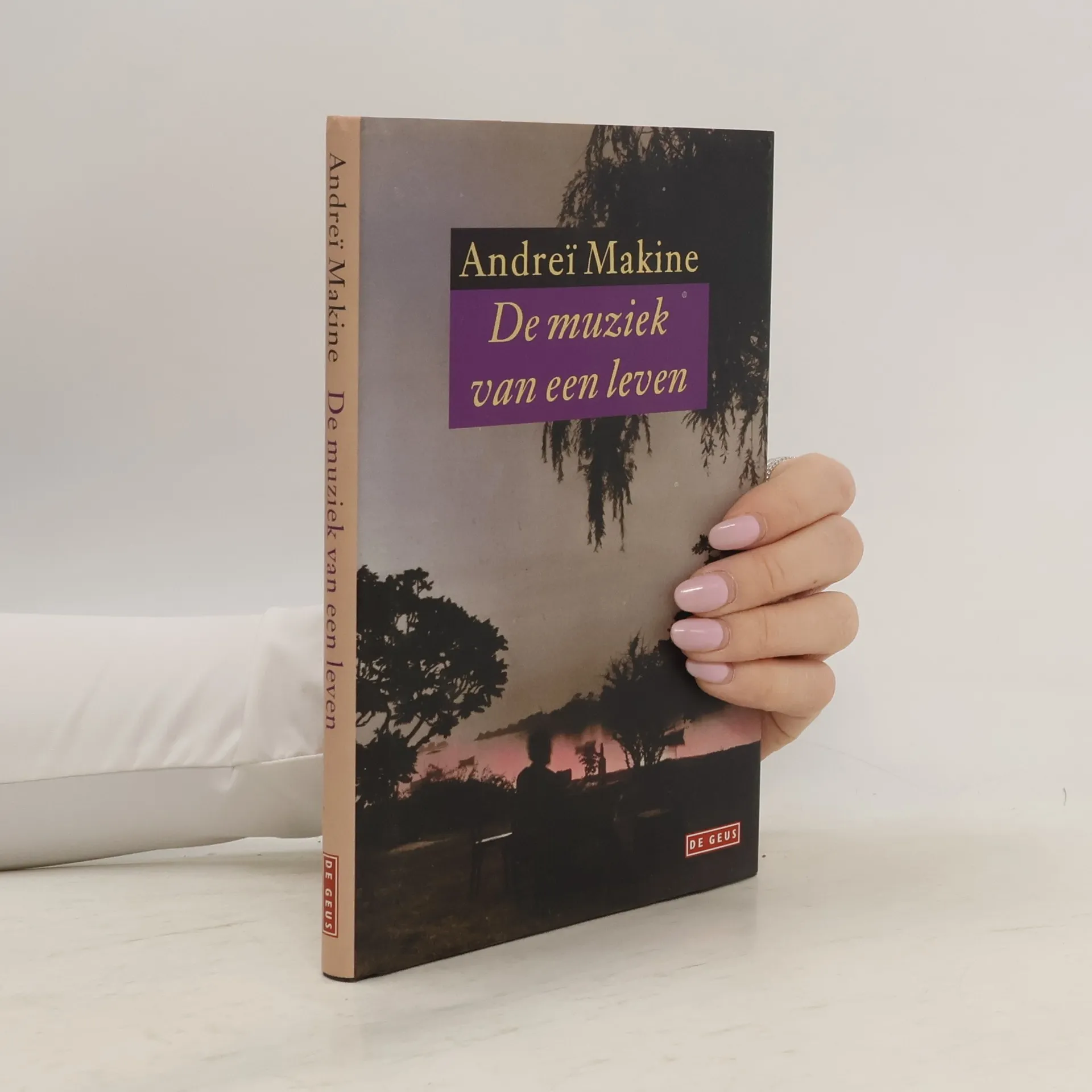
De jonge, talentvolle pianist Alexeï Berg wordt, vlak voor zijn eerste concert, door een buurman gewaarschuwd dat hij niet naar huis moet gaan omdat zijn ouders door Stalins geheime politie zijn gearresteerd. Alexeï vlucht naar familie in de Oekraïne. Als de oorlog met Duitsland uitbreekt en de eerste soldaten sneuvelen, zoekt hij een 'dode dubbelganger' wiens identiteit hij kan aannemen. Zijn carrière als pianist is in de knop gebroken. Nooit zal hij zijn geliefde muziek voor anderen ten gehore kunnen brengen. Vele tientallen jaren later ontmoet Alexeï op een winters station in de Oeral een jonge medereiziger. Tijdens de lange treinreis naar Moskou vertelt hij hem zijn levensverhaal.
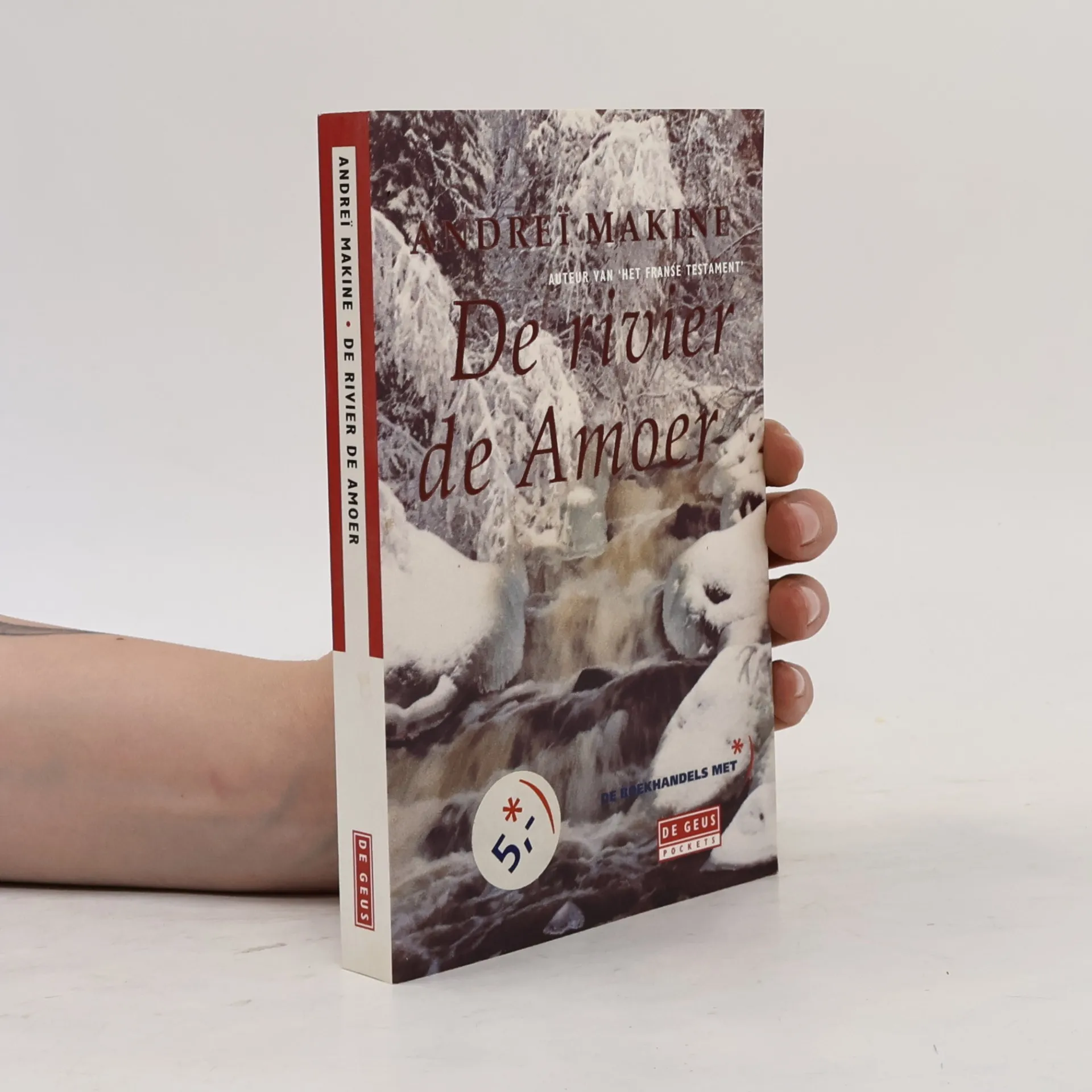
Readers of Andrei Makine's previous novel, Dreams of My Russian Summers , will recognize similar themes in Once upon the River Love : characters living in the vast isolation of the Siberian steppes; an elderly woman with memories of Paris, and, most of all, the power of imagination in young children's lives. In Makine's second novel, three adolescents come of age in the Soviet Union in the mid-1970s. The narrator, Alyosha, and his two friends, Samurai and Utkin, live in Svetlaya, a remote village "reduced to three essential matters: timber, gold, and the chill shadow of the camp. It was beyond us to imagine our futures unfolding outside these three prime elements." Impossible to imagine, that is, until the French actor Jean-Paul Belmondo enters their lives. Into a wintry world of snow and ice, of spiritual paucity, loveless coupling, and quiet despair Belmondo flashes his insouciant smile, vanquishes enemies, seduces willing beauties, and faces every danger with panache. The effect is earth-shattering. "On the whole, we understood little of the universe of Belmondo.... But we perceived the essential: the surprising freedom of this multiple world, where people seemed to escape those implacable laws that ruled our own lives, from the humblest workers' canteen to the imperial hall of the Kremlin, not forgetting the silhouettes of the watchtowers fixed over the camp." What would be an imminently forgettable film in the West becomes a beacon to the three boys; suddenly, the world is much bigger than the frozen Siberian taiga and each boy sees some part of Belmondo in himself: Alyosha the lover, Samurai the warrior, Utkin the poet. Makine's novel is framed with short sections at beginning and end that are set in Brighton Beach, New York, 20 years later. We learn, briefly, what has happened to these young men--and in the disparity between the reality of their destinies and the heroism of their youthful imaginings lies both the irony and the heartbreak of Once upon the River Love --Alix Wilber
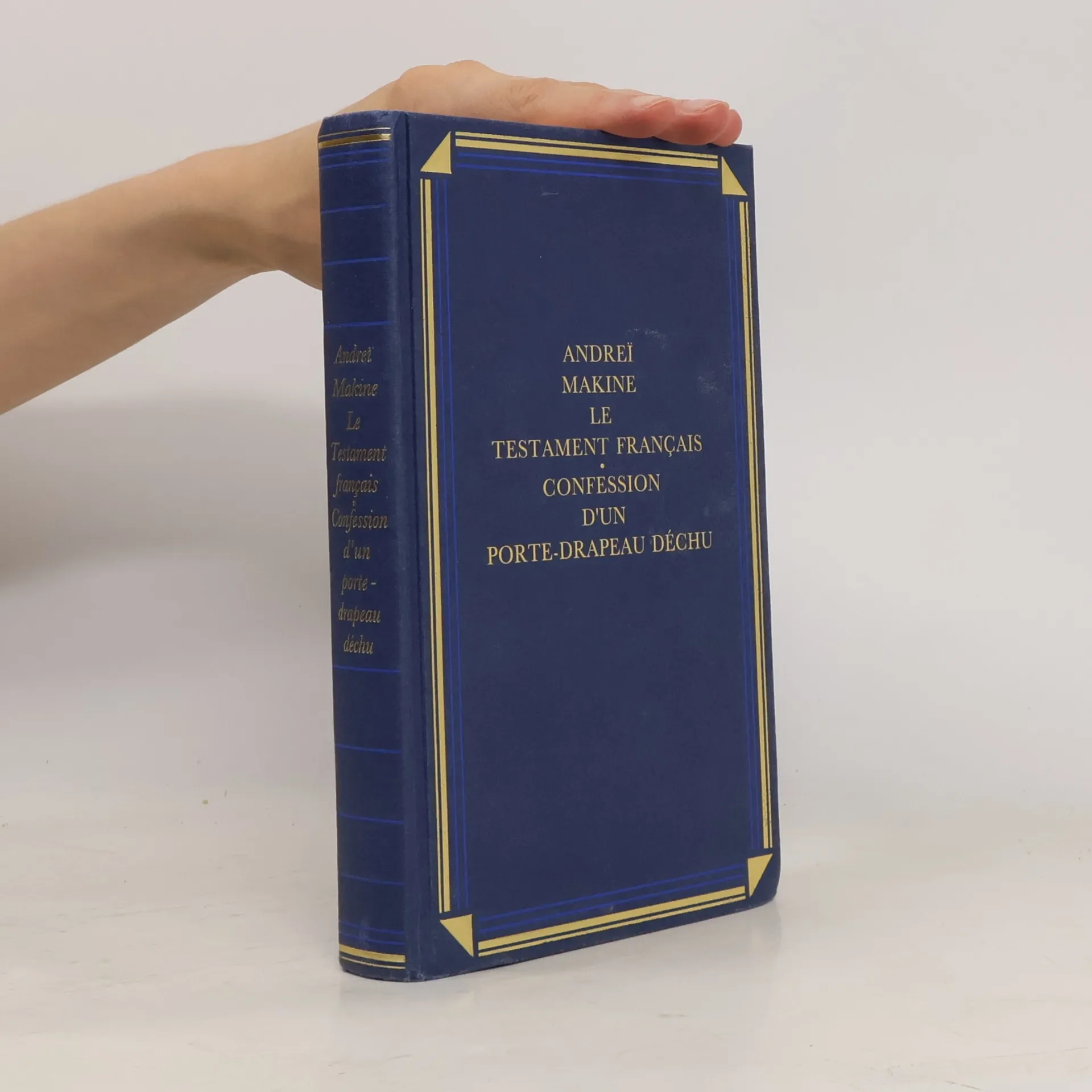
Barcelona. 22 cm. 268 p. Encuadernación en tapa dura de editorial con sobrecubierta ilustrada. Makine, Andrei 1957-. Traducción de Javier Albiñana. Traducción de: Le testament français .. Este libro es de segunda mano y tiene o puede tener marcas y señales de su anterior propietario. ISBN: 84-226-6565-4
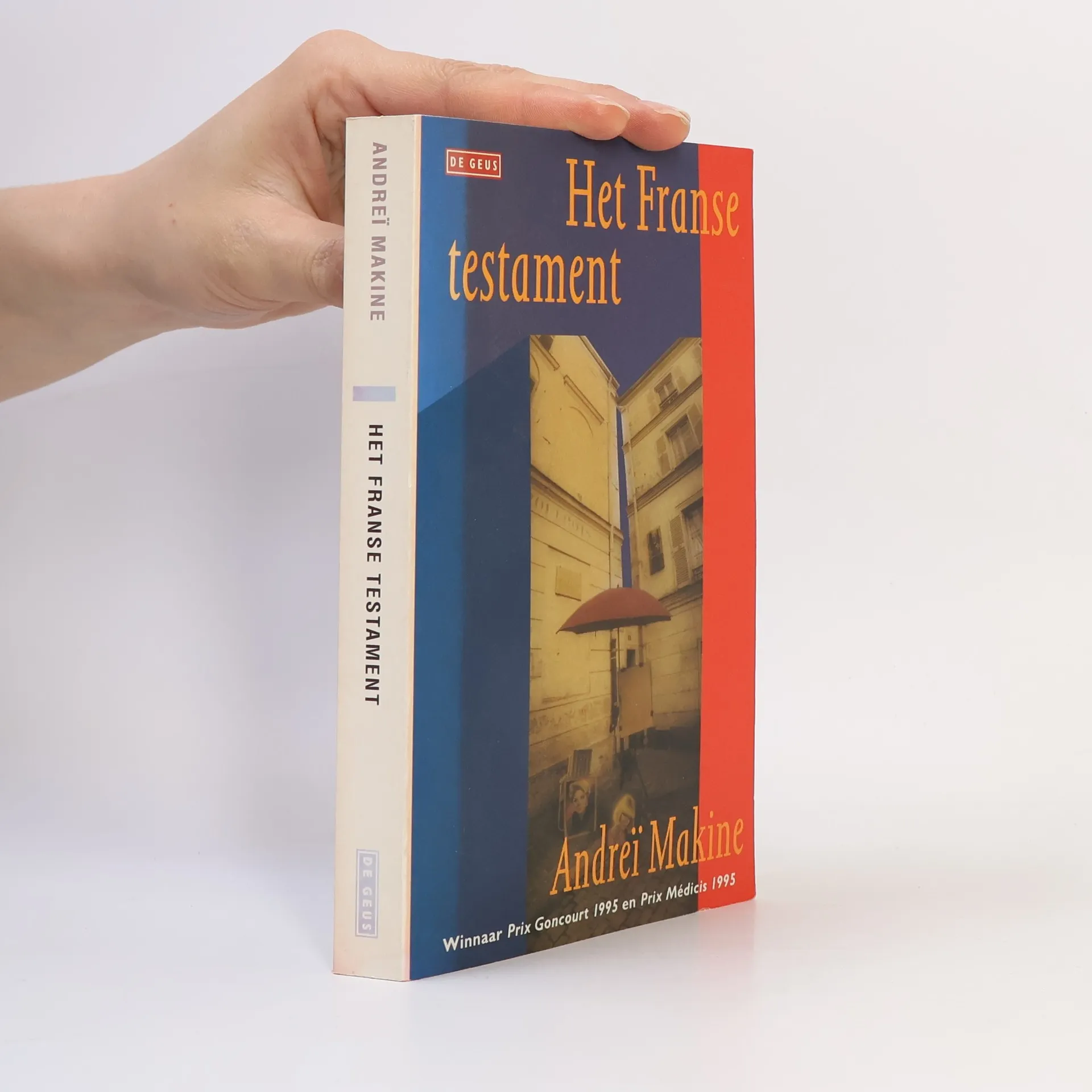
In una cittadina russa al confine con la steppa siberiana, un'anziana signora narra la sua vita a un giovane russo, creando un legame profondo. Charlotte, la nonna francese del ragazzo, condivide aneddoti storici e personali sulla Francia, descritta come una favolosa "Atlantide" che cattura l'immaginazione del giovane. Rievoca il suo esilio in Russia, la rivoluzione e la guerra, rivelando il suo intenso passato attraverso una valigia piena di oggetti, che diventa una scatola magica della memoria. Nei suoi racconti, il giovane apprende a conciliare due radici, due lingue e due identità, mentre l'anima di una Russia senza limiti si intreccia con il suo senso di appartenenza a un mondo diverso. Le parole di Charlotte sciolgono il dramma di chi non può avere un'unica visione della vita, e nella mente del narratore realtà e sogno si fondono in un messaggio di saggezza e amore, che diventa la sua preziosa eredità. Pubblicato nel 1995 in Francia, il libro ha riscosso un enorme successo, vincendo i prestigiosi premi Prix Medicis e Prix Goncourt, e ricevendo l'acclamazione della critica, mantenendosi per settimane ai vertici delle classifiche di vendita.
Een grootmoeder vertelt haar kleinzoon tijdens de Russische winters prachtige verhalen over Frankrijk. Eenmaal volwassen emigreert hij naar het land van zijn dromen. Daar begint hij te schrijven over herinneringen en de werkelijkheid.
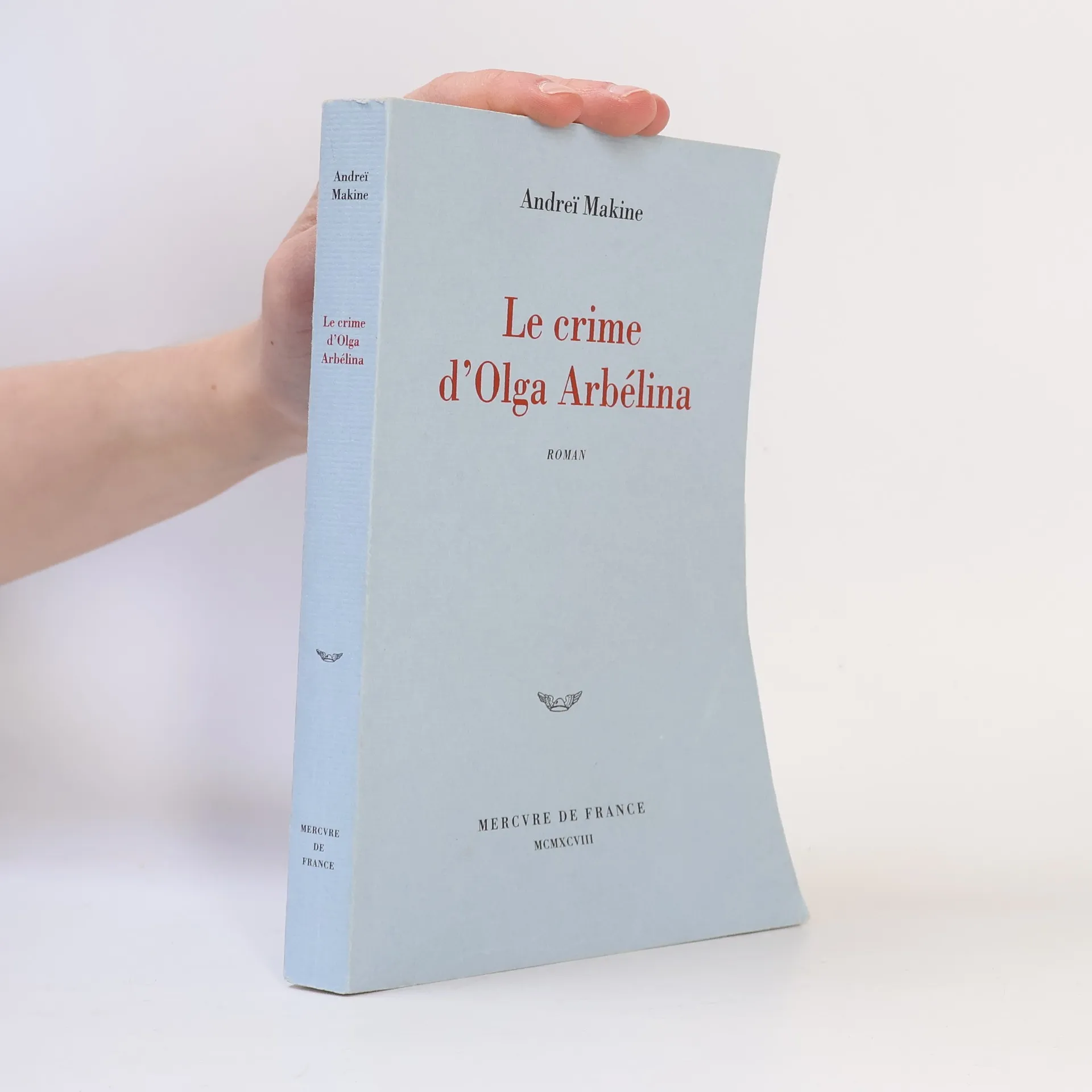
Une princesse russe, un réfugié de les bolcheviks, abandonnée par un mari infidèle, fuit avec son enfant vers la France, où elle est ensuite retrouvée à moitié nue sur la rive d'une rivière à côté d'un corps d'un homme avec une terrible blessure à la tête.