

Het boek is momenteel niet op voorraad
Parameters
- 218bladzijden
- 8 uur lezen
Meer over het boek
The book explores the phenomenon of collective insanity, arguing that while individual madness is uncommon, it becomes prevalent within groups, political parties, nations, and historical periods. It delves into the psychology behind group behavior, examining how societal influences can lead to irrational actions and beliefs on a larger scale. The author challenges readers to consider the implications of this collective mindset in shaping history and culture.


Uitgave
- 2024

- 2024
- 2023
- 2023
- 2023
- 2023
- 2023
- 2023
- 2023
- 2023
- 2023
- 2023

- 2022
- 2022
- 2022
- 2022
- 2022
- 2022
- 2022
- 2021
- 2021
- 2021
- 2021
- 2021
- 2021
- 2021
- 2021

- 2020
- 2020
- 2020
- 2020
- 2020
- 2020
- 2020
- 2020
- 2020
- 2020
- 2020
- 2020
- 2020
- 2020
- 2020
- 2020
- 2020
- 2020
- 2020

- 2019
- 2019
- 2019
- 2019
- 2019


- 2018
- 2018
- 2018
- 2018
- 2018
- 2018
- 2018
- 2018
- 2018
- 2018
- 2017
- 2017
- 2017
- 2017
- 2016

- 2013
- 2012
- 2010
- 2009
- 2009

- 2008
- 2008
- 2008
- 2008
- 2007
- 2007
- 2006
- 2005
- 2005
- 2004
- 2004







Een boek kopen
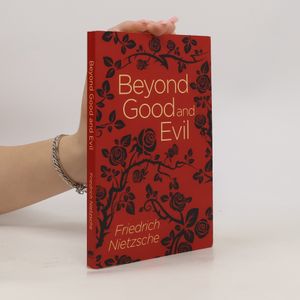
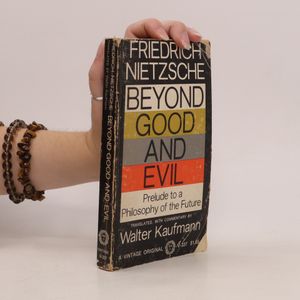
Beyond Good and Evil - Prelude to a Philosophy of the Future, Friedrich Wilhelm Nietzsche
- Taal

- Jaar van publicatie
- 2021
Zodra we het ontdekt hebben, sturen we een e-mail.
Betaalmethoden
We missen je recensie hier.
- Taal
- Engels
- Auteurs
- Friedrich Wilhelm Nietzsche
- Uitgever
- Reader's Library Classics
- Jaar van publicatie
- 2021
- Aantal pagina's
- 218
- ISBN13
- 9781954839328
- Reeks
- Tags
- Non-fictie, Sociale Wetenschappen, Waargebeurde verhalen, Psychologische thema’s, Filosofisch thema, Duitse literatuur, Opiniejournalistiek & Essays, 19e Eeuw
- Eerste editie
- 1886
- Oorspronkelijke titel
- Jenseits von Gut und Böse
- Beoordeling
- 4,25 van 5
- Aantekening
- The book explores the phenomenon of collective insanity, arguing that while individual madness is uncommon, it becomes prevalent within groups, political parties, nations, and historical periods. It delves into the psychology behind group behavior, examining how societal influences can lead to irrational actions and beliefs on a larger scale. The author challenges readers to consider the implications of this collective mindset in shaping history and culture.