

Het boek is momenteel niet op voorraad
Parameters
- 198bladzijden
- 7 uur lezen
Meer over het boek
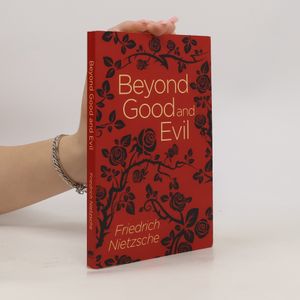
Friedrich Nietzsche's work serves as a powerful critique of modernity, challenging established notions in science, arts, and politics. He argues against the universality of morality, asserting that moral systems are shaped by individual perspectives rather than absolute truths. The book particularly targets European and Christian morality, which Nietzsche sees as hypocritical and life-denying. Through this provocative analysis, it examines themes of identity, religion, democracy, psychology, and individual freedom, influencing contemporary moral philosophy significantly.


Uitgave
- 2024

- 2024
- 2023
- 2023
- 2023
- 2023
- 2023
- 2023
- 2023
- 2023
- 2023
- 2023

- 2022
- 2022
- 2022
- 2022
- 2022
- 2022
- 2022
- 2021
- 2021
- 2021
- 2021
- 2021
- 2021
- 2021
- 2021

- 2020
- 2020
- 2020
- 2020
- 2020
- 2020
- 2020
- 2020
- 2020
- 2020
- 2020
- 2020
- 2020
- 2020
- 2020
- 2020
- 2020
- 2020
- 2020

- 2019
- 2019
- 2019
- 2019
- 2019


- 2018
- 2018
- 2018
- 2018
- 2018
- 2018
- 2018
- 2018
- 2018
- 2018
- 2017
- 2017
- 2017
- 2017
- 2016

- 2013
- 2012
- 2010
- 2009
- 2009

- 2008
- 2008
- 2008
- 2008
- 2007
- 2007
- 2006
- 2005
- 2005
- 2004
- 2004







Een boek kopen
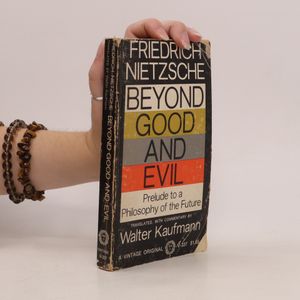
Beyond Good and Evil, Friedrich Wilhelm Nietzsche
- Taal

- Jaar van publicatie
- 2024
Zodra we het ontdekt hebben, sturen we een e-mail.
Betaalmethoden
We missen je recensie hier.
- Titel
- Beyond Good and Evil
- Taal
- Engels
- Auteurs
- Friedrich Wilhelm Nietzsche
- Uitgever
- Warbler Classics
- Jaar van publicatie
- 2024
- Aantal pagina's
- 198
- ISBN13
- 9781962572675
- Reeks
- Tags
- Non-fictie, Sociale Wetenschappen, Waargebeurde verhalen, Psychologische thema’s, Filosofisch thema, Duitse literatuur, Opiniejournalistiek & Essays, 19e Eeuw
- Eerste editie
- 1886
- Oorspronkelijke titel
- Jenseits von Gut und Böse
- Beoordeling
- 4,25 van 5
- Aantekening
- Friedrich Nietzsche's work serves as a powerful critique of modernity, challenging established notions in science, arts, and politics. He argues against the universality of morality, asserting that moral systems are shaped by individual perspectives rather than absolute truths. The book particularly targets European and Christian morality, which Nietzsche sees as hypocritical and life-denying. Through this provocative analysis, it examines themes of identity, religion, democracy, psychology, and individual freedom, influencing contemporary moral philosophy significantly.