

Meer over het boek
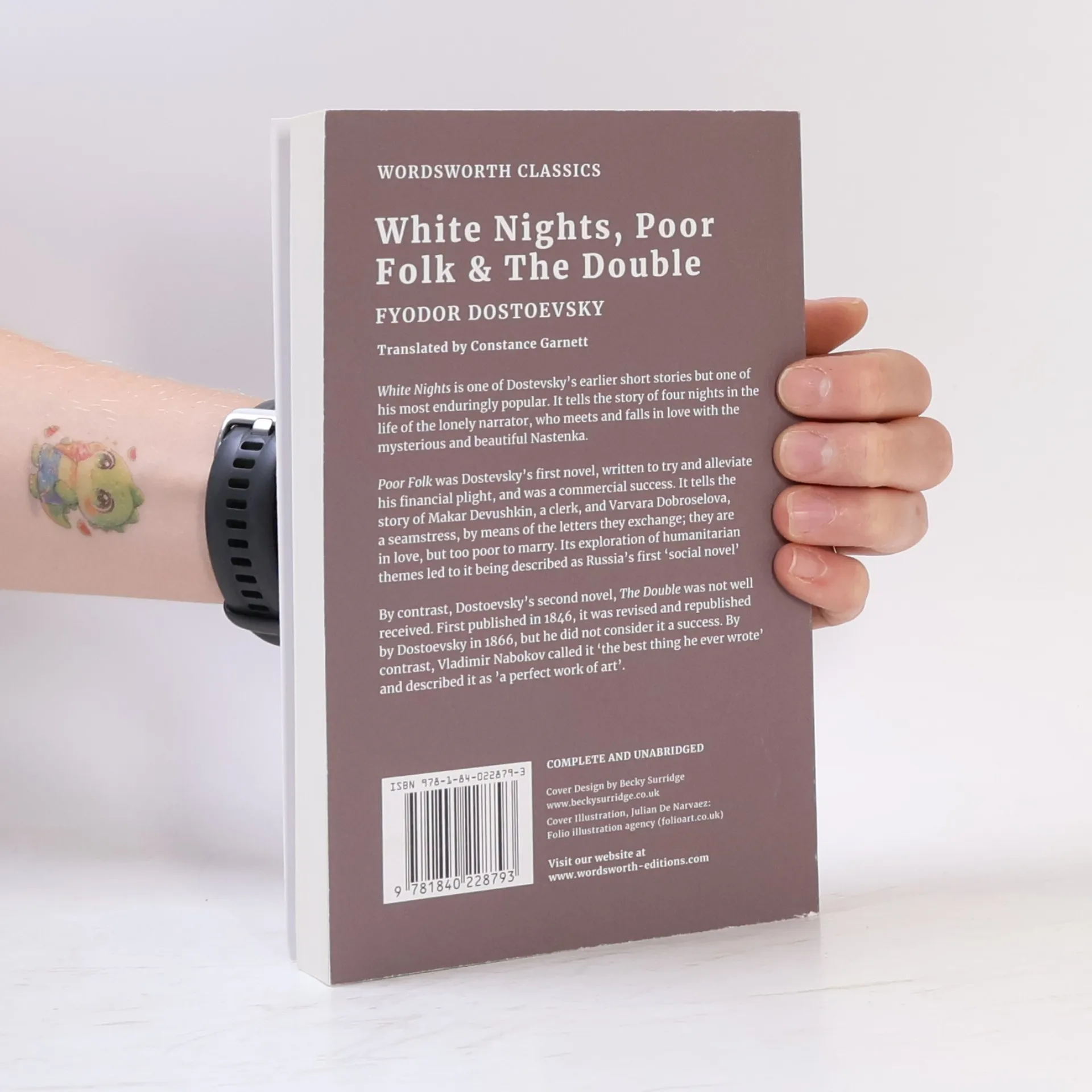
'White Nights' is one of Dostoevsky's earlier short stories but one of his most enduringly popular. It tells the story of four nights in the life of the lonely narrator, who meets and falls in love with the mysterious and beautiful Nastenka. Poor Folkwas Dostoevsky's first novel, written to try and alleviate his financial plight, and was a commercial success. It tells the story of Makar Devushkin, a clerk, and Varvara Dobroselova, a seamstress, by means of the letters they exchange; they are in love, but too poor to marry. Its exploration of humanitarian themes led to it being described as Russia's first 'social novel'. By contrast, Dostoevsky's second novel, The Doublewas not well received. First published in 1846, it was revised and republished by Dostoevsky in 1866, but he did not consider it a success. By contrast, Vladimir Nabokov called it 'the best thing he ever wrote' and described it as 'a perfect work of art'.
Een boek kopen
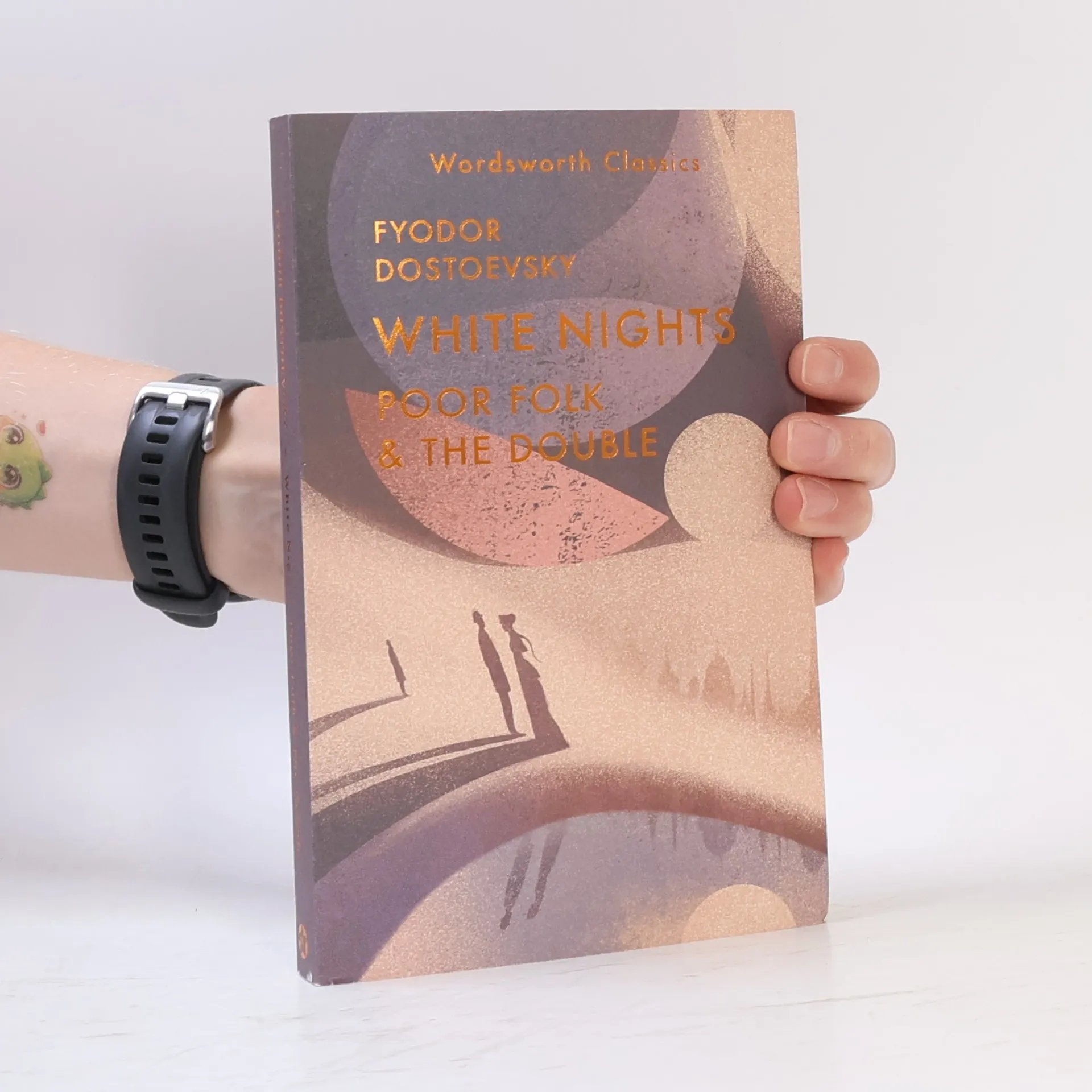
Wordsworth Classics: White Nights, Poor Folk & The Double, Constance Garnett, Fjodor Michajlovič Dostojevskij
- Taal

- Jaar van publicatie
- 2025
- Bindwijze
- (Paperback)
Betaalmethoden
Nog niemand heeft beoordeeld.
- Titel
- Wordsworth Classics: White Nights, Poor Folk & The Double
- Taal
- Engels
- Uitgever
- Wordsworth Editions
- Jaar van publicatie
- 2025
- Formaat
- Paperback
- Aantal pagina's
- 304
- ISBN10
- 1840228792
- ISBN13
- 9781840228793
- Reeks
- Categorieën
- Tags
- Rusland, Eenzaamheid, Armoede
- Aantekening
- 'White Nights' is one of Dostoevsky's earlier short stories but one of his most enduringly popular. It tells the story of four nights in the life of the lonely narrator, who meets and falls in love with the mysterious and beautiful Nastenka. Poor Folkwas Dostoevsky's first novel, written to try and alleviate his financial plight, and was a commercial success. It tells the story of Makar Devushkin, a clerk, and Varvara Dobroselova, a seamstress, by means of the letters they exchange; they are in love, but too poor to marry. Its exploration of humanitarian themes led to it being described as Russia's first 'social novel'. By contrast, Dostoevsky's second novel, The Doublewas not well received. First published in 1846, it was revised and republished by Dostoevsky in 1866, but he did not consider it a success. By contrast, Vladimir Nabokov called it 'the best thing he ever wrote' and described it as 'a perfect work of art'.